A great event can be technically ready, fully staffed and sold out, then stall because a permit condition was missed. Council permits for events are not paperwork to leave until the final week. They shape where you can build, when trucks can access site, how loud the program can be, what power arrangements are acceptable and who carries responsibility if conditions change.
For a public event, the permit pathway needs to run alongside the production plan from the first site meeting. That means aligning the event footprint, staging, structures, crowd movement, emergency access and operating hours before equipment is booked and promotional dates are locked in. The objective is simple: no last-minute redesigns, no avoidable compliance gaps and no surprises on event day.
What councils assess before approving an event
Every Victorian council has its own application process, lead times and thresholds. A small private wedding at an established venue may need little more than confirmation that the venue’s existing approvals cover the activity. A festival in a park, street activation, sporting event or community celebration can require multiple approvals and consultation with several authorities.
Councils generally want confidence that the event is safe, manageable and appropriate for the site. They will assess the scale of attendance, public access, event duration, amplified sound, alcohol service, food vendors, traffic impacts, temporary structures, waste, toilets, security and emergency planning. If the event occupies public land, affects a road or footpath, or creates a meaningful impact on neighbours, expect closer scrutiny.
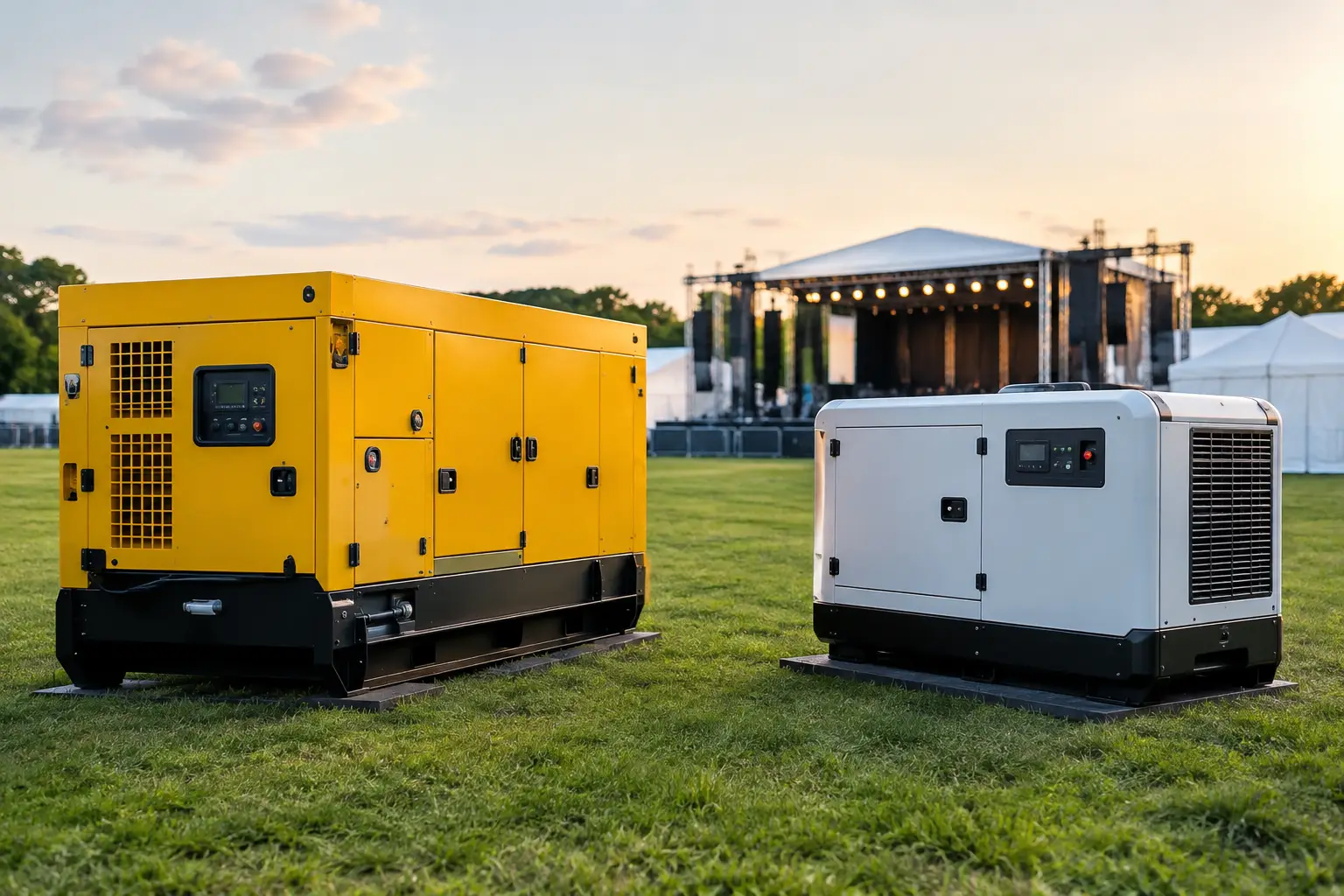
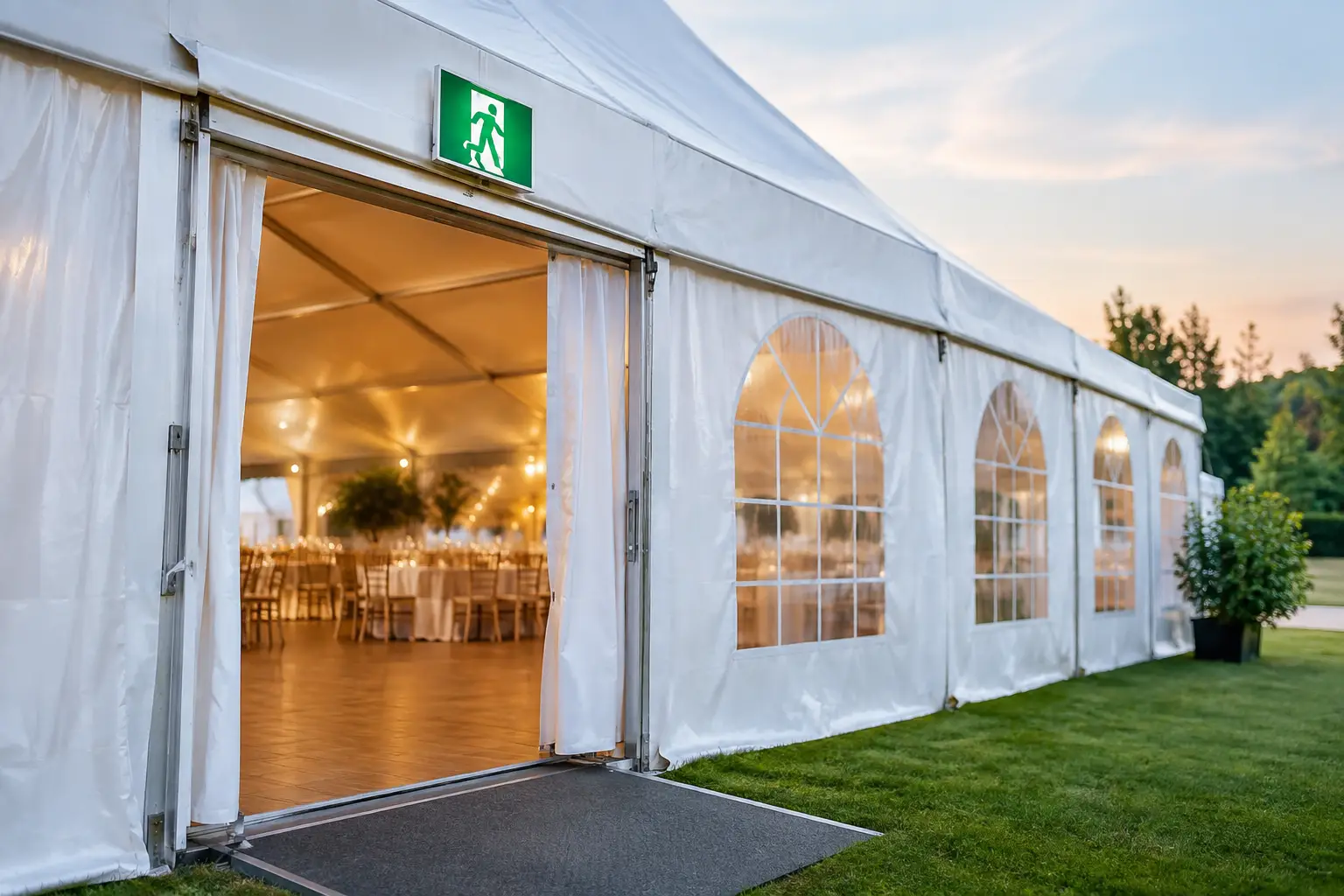
The production infrastructure is central to that assessment. A stage is not just a platform. A marquee is not just shelter. Once temporary structures, generators, cable runs, lighting towers and audience barriers enter the plan, the council needs to know what is being installed, how it will be secured, who has designed it, and how the site will remain safe during bump-in, operation and pack-down.
The permit is only one part of compliance
An event permit may sit beside permits or approvals for road closures, parking suspensions, use of public land, temporary food premises, liquor service, signage, fireworks, drones or amplified noise. Depending on the site and event format, you may also need approvals or engagement with Victoria Police, emergency services, a venue operator, land manager or utility authority.
Not every event needs every document. Applying a festival-level process to a 60-person reception wastes time and budget. Treating a 2,000-person public event like a backyard party creates risk. The right level of planning depends on the site, public interface, infrastructure and likely consequences of failure.
Council permits for events start with a buildable site plan
The strongest applications are based on a site plan that could actually be built. A rough sketch might be enough for an early conversation, but it will not answer the questions that matter once technical infrastructure is involved.
Your plan should show entrances and exits, emergency egress routes, accessible paths, first aid, security positions, toilets, food areas, waste points, vehicle access and the audience footprint. It should also identify the exact position of the stage, marquee, AV control position, generator, distribution boards, cable paths, lighting, barriers and any temporary fencing.
That detail exposes issues early. A stage position may block emergency vehicle access. A generator may be too close to a neighbour or public walkway. A cable route may cross a key pedestrian corridor. A marquee may need ballast rather than pegs because of the surface below it. These are production decisions, but they directly affect permit conditions, safety documents and cost.
For Melbourne events, parkland, laneways, reserve grounds and council-managed venues can each come with different surface protections, access windows and noise expectations. Never assume that an approval for one location will translate to another.
Build the technical information councils expect
The exact document set varies, but organisers commonly need to provide a public liability certificate of currency, risk assessment, emergency management plan, traffic management plan where relevant, site plan, event schedule and supplier details. For technical infrastructure, supporting material may include structural engineering certification, equipment specifications, electrical test and tag records, power distribution details and wind management procedures for temporary structures.
A council may ask for more information after reviewing an application. That is normal. The problem is not the request itself. The problem is discovering that no-one can produce the requested engineering, electrical or structural documentation because suppliers were booked as separate dry hires with no clear owner of the full site.
A production partner should be able to identify what their equipment requires, provide the relevant documentation, calculate realistic power demand and coordinate the infrastructure around the approved plan. This does not replace the organiser’s responsibility for the overall event application, but it prevents the technical component becoming the weak link.
Allow time for approvals, changes and consultation
Permit lead times are rarely just the time it takes to fill in an online form. Councils may need to review plans, request changes, consult internal teams, refer matters to external authorities or discuss impacts with nearby businesses and residents. Peak event periods can add pressure.
Start with the date you need final approval, then work backwards from the event. Allow time to finalise the site layout, appoint suppliers, gather certificates, respond to questions and amend plans. If road management, noise or a large public audience is involved, give the process more runway than you think you need.
Avoid announcing a program that depends on unapproved operating hours, a road closure or a particular site configuration. The marketing team needs certainty, but certainty comes from an approved plan, not optimism. If the council requires an earlier finish time, lower noise level or revised vehicle route, you want to absorb that change before tickets, vendors and contractors are committed.
Common permit problems that create event-day pressure
Most permit issues are preventable. They usually stem from a site plan that does not match the actual build, a late change in audience numbers, incomplete supplier paperwork or an unclear division of responsibilities.
Watch for these recurring pressure points:
- A generator is selected without a power-load calculation, then additional catering, lighting or AV equipment is added after the application.
- A stage, truss roof or marquee is booked without confirming engineering requirements, wind ratings, ground conditions or the available footprint.
- The event plan shows clear emergency access, but delivery vehicles, bins or temporary fencing occupy the route during operation.
- Noise controls are assumed rather than planned, with speakers facing sensitive boundaries or no practical method of monitoring levels.
- Separate suppliers install overlapping equipment, leaving gaps around cable protection, barriers, access and site supervision.
None of these issues are solved by paperwork alone. They are solved by a coordinated build plan, competent crews and someone on site with authority to make the right call when conditions change.
Make permit conditions part of the event run sheet
Once approval is issued, read every condition and translate it into operational actions. A permit is not a document to file away. It may specify bump-in times, vehicle routes, sound limits, public access requirements, security numbers, waste arrangements, site protection measures or notification obligations.
Brief your suppliers and crew against those conditions before arrival. Put the relevant restrictions into the production schedule. If the generator must be positioned in a particular zone, that needs to be reflected in the power plan and delivery route. If access is limited to certain hours, transport and labour need to be scheduled accordingly. If a structural inspection is required before opening gates, build enough time into the day to complete it properly.
This is where having one accountable infrastructure team makes a measurable difference. Zero Three Event Hire can scope staging, power, AV, lighting, structures and crew coverage as one operating plan, with the technical documentation and on-site coordination to support it. Instead of asking five suppliers whose job a cable route or engineering certificate is, you have a clear technical point of contact from bump-in until the last note drops.
If conditions change, act early
Weather, attendance, site access and programming can all force changes. Do not quietly move a stage, extend event hours or add a larger marquee because it seems practical on the day. A change may affect permit conditions, engineering requirements, emergency access or noise management.
Assess the change with the relevant site manager, council contact and technical suppliers before acting. Some adjustments will be minor. Others will require updated documentation or formal approval. The earlier the conversation happens, the more options you have to protect the event without compromising safety or compliance.
The best permit process does not make an event feel bureaucratic. It gives every contractor a clear map, every crew member a workable site and every organiser the confidence to focus on the audience when the gates open.