A marquee can be installed perfectly and still be stopped at the gate if the documentation is incomplete. The same goes for a stage, generator, temporary power board, lighting tower or public event site. Event compliance documentation services turn the technical work behind an event into clear, review-ready evidence that venues, councils, insurers and safety teams can act on with confidence.
For an event organiser, the paperwork is not a side task to tackle the night before bump-in. It is part of the infrastructure. When it is planned alongside staging, power, AV and structures, the event moves from brief to standing ovation with fewer last-minute calls, fewer assumptions and one clear line of accountability.
What event compliance documentation services cover
Compliance requirements vary with the event’s size, location, venue conditions, equipment and audience. A wedding on private property does not carry the same documentation load as a festival for 5,000 people, but both need risks identified before guests arrive. The job is to determine what applies to the actual site and scope, rather than handing over a generic folder that misses the detail.
For temporary event infrastructure, documentation commonly brings together engineering certification for relevant structures, site and layout plans, electrical and power information, equipment specifications, risk assessments, safe work method statements, public liability details and crew records. Depending on the event, it may also include emergency planning inputs, traffic or pedestrian management information, noise considerations, fire safety arrangements, accessibility details and venue-specific forms.
The documents matter because they show how each system works with the next. A power plan should align with the generator capacity, distribution boards, cable routes and expected load. A structural plan should reflect the actual stage, roof, marquee or truss configuration being installed. A risk assessment should address the site’s real pinch points, not merely list generic hazards.
That connection is where a production partner earns their keep. Zero Three Event Hire scopes the equipment and operational plan first, then coordinates the supporting technical information with the people building, powering and operating the event.
Start documentation before equipment is booked
The fastest way to create compliance pressure is to confirm a site, sell tickets and hire equipment from several suppliers before anyone has checked the operational picture. At that point, organisers are often trying to reconcile conflicting dimensions, power figures and responsibilities while a venue or authority waits for an answer.
Start with a proper event brief. Confirm the location, dates and access times, expected attendance, event schedule, supplier arrivals, site constraints, audience areas and weather exposure. From there, map the infrastructure: stages, marquees, barriers, toilets, power, lighting, screens, audio, food vendors and any temporary structures.
This early work exposes issues while there is still room to solve them. A generator may need a different location because of noise or refuelling access. A cable route may need pedestrian protection. A stage roof may affect sightlines, emergency access or required clearances. These are manageable production decisions in pre-planning and expensive disruptions on event day.
The site plan is an operational document
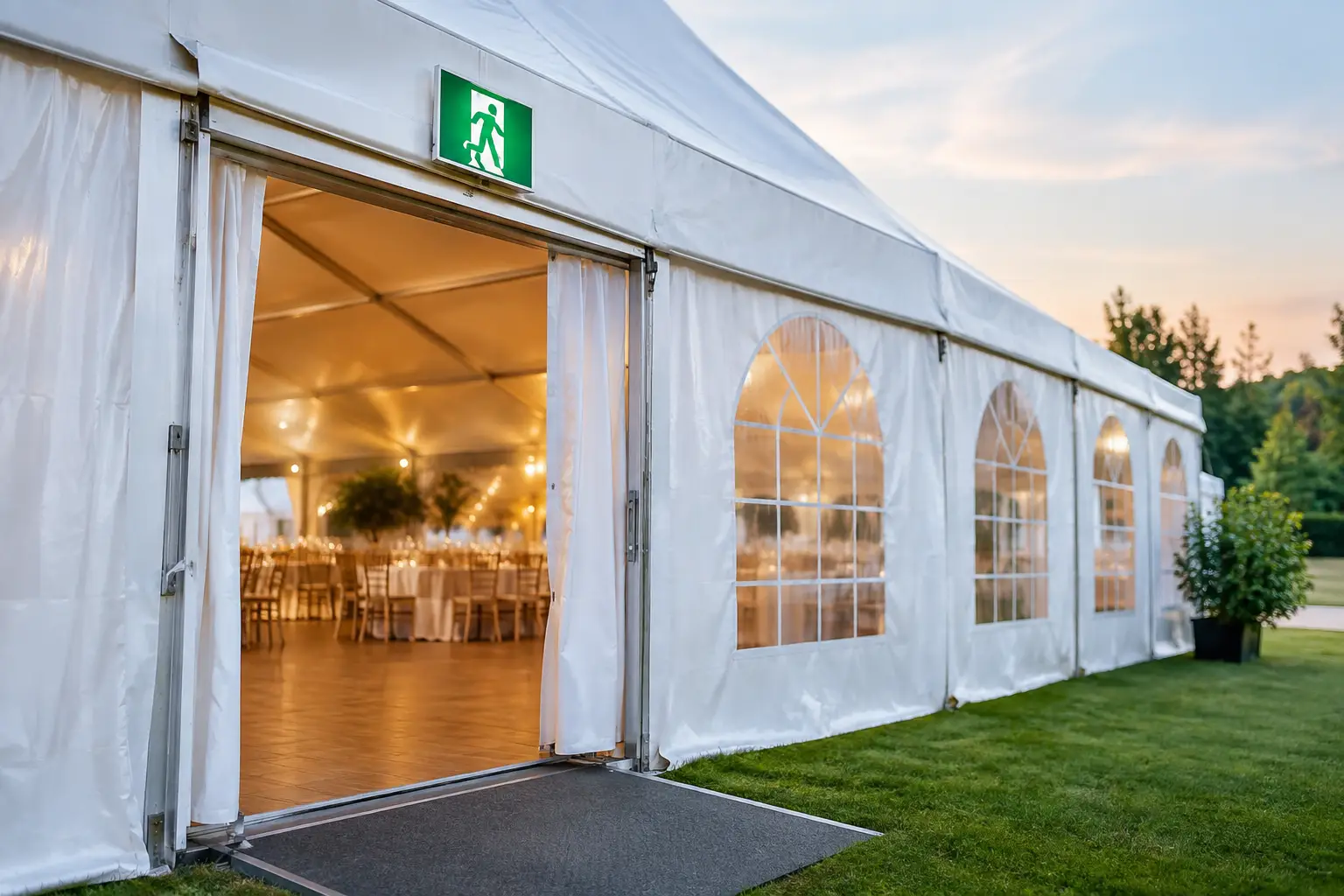
A good site plan is more than a drawing for an approval application. It gives every supplier a common reference point and helps crews set out the event accurately. It should show entrances and exits, emergency access, audience and backstage zones, temporary infrastructure, power locations, cable paths, vehicle access and key safety equipment where relevant.
For larger public events, the plan also helps event control, security, first aid and venue teams understand how the site is intended to operate. If conditions change on the day, such as rain, wind or a blocked access route, the plan makes it easier to assess what needs to move and who needs to know.
Electrical paperwork must match the real load
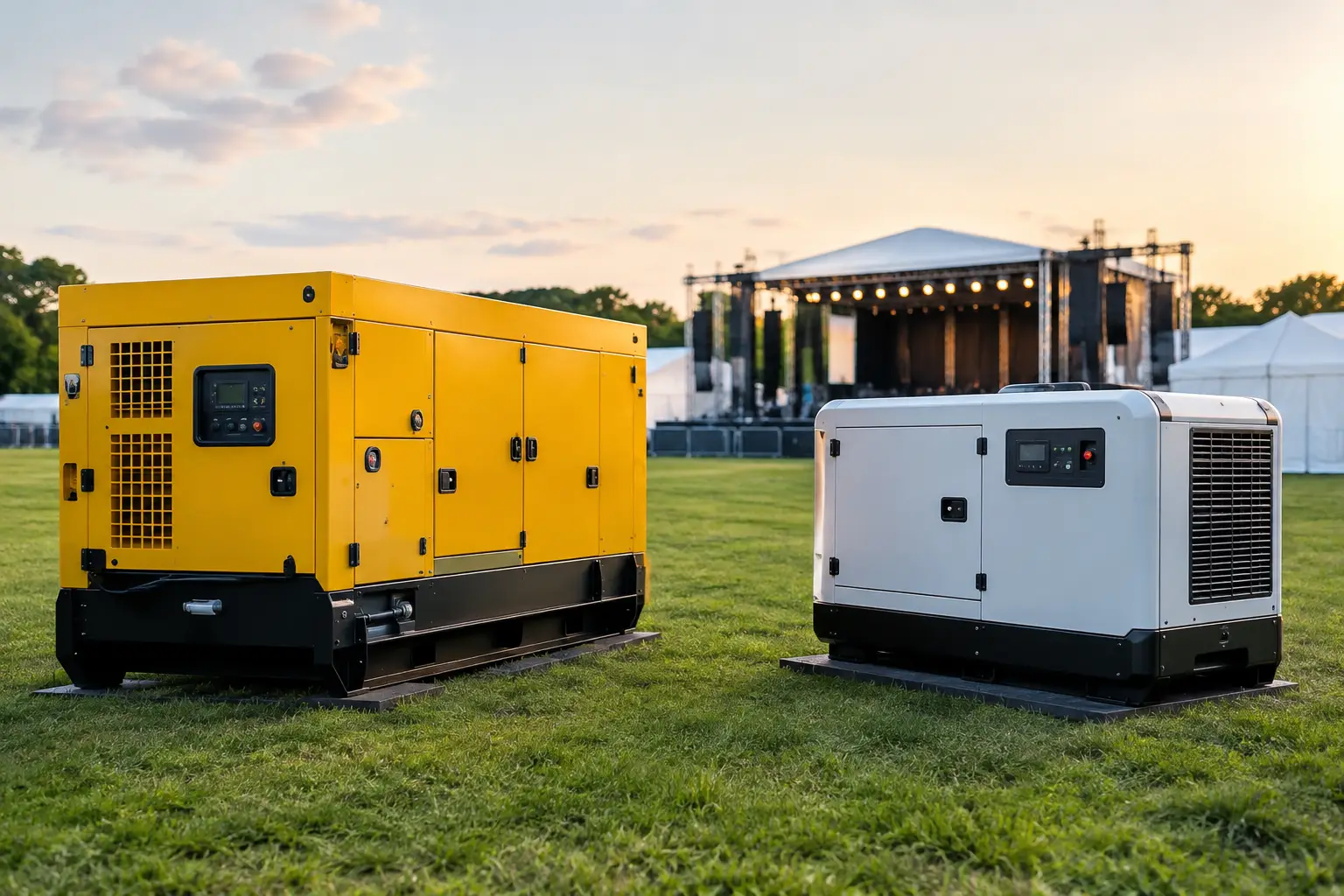
Temporary event power deserves particular attention. A generator with plenty of headline capacity is not automatically the right solution. The load needs to be calculated across sound, lighting, LED screens, catering, refrigeration, site offices, vendors and any equipment with high start-up demand.
Documentation should support the actual power design, including distribution, protection and cable management. This protects the event from more than a blackout. It helps prevent overloaded circuits, unsafe routes, avoidable noise issues and the familiar scramble to find more power after every outlet is already spoken for.
For organisers, the practical question is simple: can the supplier explain what will be powered, where it will connect and how it will be monitored? If the answer is vague, the documentation will usually be vague too.
Documentation is only useful when ownership is clear
Events often involve a venue, promoter, production supplier, caterers, artists, security, contractors and volunteers. Each party may have its own obligations, but shared sites can create gaps when everyone assumes somebody else has covered an issue.
The strongest approach is to nominate who owns each action. Who supplies structural certification? Who approves the final site layout? Who manages generator refuelling? Who checks cable protection? Who receives weather warnings? Who has authority to pause work if conditions become unsafe? These answers should be understood before bump-in, not discovered beside a half-built stage.
A single operational partner can reduce supplier fragmentation by coordinating the infrastructure package under one plan. That does not remove an organiser’s responsibility to work with the venue, council or relevant authority, and it cannot guarantee an approval outcome. It does mean the technical details are being prepared by the team responsible for delivery, rather than being assembled from disconnected hire dockets.
Build for inspection, not just submission
A compliance folder may be reviewed days before an event, on the morning of bump-in or while gates are about to open. It needs to be current, organised and consistent with what is physically on site.
That means managing change. If a stage size changes, a marquee moves, an additional generator is added or the audience layout is revised, the affected plans and assessments may need review. Version control is not glamorous, but it prevents old information being circulated to the crew, venue and event management team at the same time.
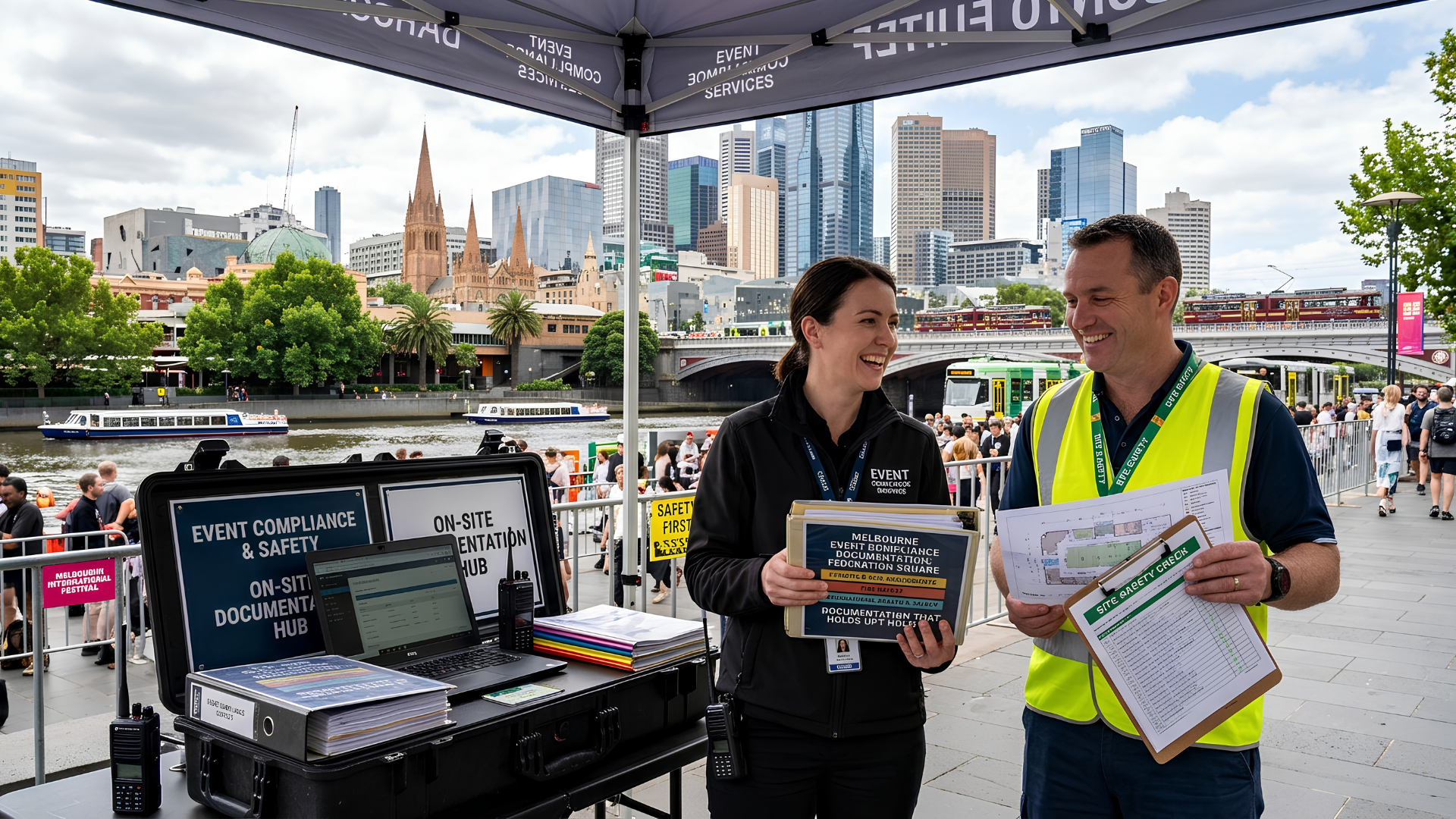
Keep documentation accessible to the people who need it. The site manager should know where the latest set is held. Key crew members should be briefed on the controls that affect their work. A paperwork pack locked in an unread inbox offers little help when a venue manager asks about cable routes or an inspector wants to confirm a structure’s details.
Weather is a live compliance issue
Wind, rain and heat can alter the risk profile of temporary infrastructure quickly. Marquees, stages, LED screens, lighting rigs and power systems need operational decisions that account for forecast conditions and manufacturer or engineering requirements.
The right response depends on the equipment, site and conditions. Sometimes it is additional monitoring; sometimes it is a change to operating conditions; sometimes the event needs a pause or a controlled shutdown. What matters is that the trigger points, contacts and decision-making process are agreed in advance. Hoping the weather passes is not a plan.
What to ask when engaging a documentation provider
Not all event compliance documentation services are attached to delivery teams. A specialist consultant may be the right fit for a complex approval pathway or a large, multi-agency event. But where the scope is centred on temporary production infrastructure, there is real value in working with a provider that can connect documentation to the equipment, engineering, crew and on-site operation.
Ask whether the provider has inspected or properly assessed the site, whether the plans reflect the proposed equipment, and whether engineers or qualified technical specialists are involved where required. Confirm the turnaround time, what is included in the quote and what information must come from the organiser, venue or other suppliers.
Also ask what happens after the documents are issued. A supplier that sends files and disappears leaves the organiser to manage changes alone. A production team with a named coordinator, trained crew, live-event support and backup equipment can keep the operational plan active until the last note drops.
The best time to deal with compliance is when the event is still a brief and the options are open. Bring the site, schedule and infrastructure plan to the table early, and the paperwork becomes a working tool that helps your crew build safely, your approvals progress cleanly and your guests experience the event you promised.