A stage arriving late is not a minor inconvenience when artists are due for soundcheck. A generator that has not been load-calculated is not just a hire item – it is a risk to catering, lighting, ticketing and the entire run sheet. Full event production packages exist to take those pressure points off your desk and put them under one accountable production team.
For Australian events, the right package is not a bundle of gear with a discounted price tag. It is a controlled delivery plan covering the infrastructure, technical operation, safety documentation, people and contingency required to get from an event brief to the final pack-down. That matters whether you are producing a 60-person wedding reception, a corporate launch, a church service, a sporting presentation or a public festival for thousands.
What a full event production package should include
A proper production package starts with the question: what must happen on site, at what time, and what cannot fail? Equipment comes next. The package should be built around your venue, audience size, site access, programme, weather exposure and compliance requirements rather than a generic equipment list.
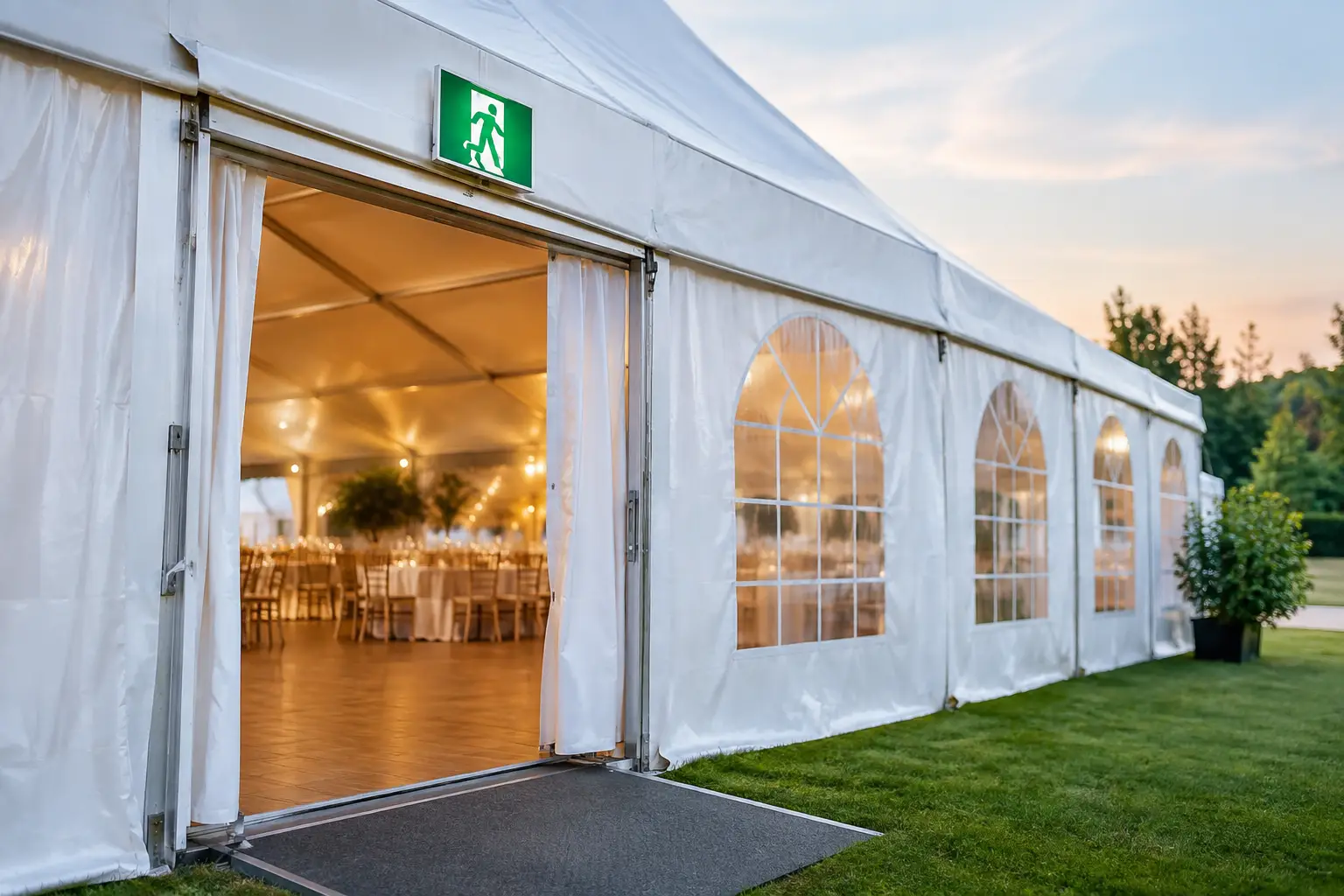
For most events, the core infrastructure includes staging or a performance platform, event power, audio, lighting and the crew to install and operate it. Larger or outdoor events may also require marquees, clearspan structures, truss, barriers, temporary flooring, site lighting, distribution boards, cable protection and structural engineering.
The difference is ownership. A dry-hire supplier can drop off speakers or a generator. A production partner scopes the job, confirms the load, plans access, coordinates delivery windows, installs safely, runs the show and packs down when the last note drops. If an issue appears during doors open, there is a crew member with the authority and technical knowledge to act on it.
That single point of responsibility reduces the gaps that appear when staging, power, AV and structures are sourced separately. One supplier may assume another has supplied cable ramps. The lighting supplier may need a power outlet that was never included in the generator plan. The venue may ask for certification the afternoon before bump-in. Fragmented suppliers can still work for a simple event, but the organiser becomes the person trying to join every dot.
Full event production packages are built around the site
The venue or event site changes everything. A ballroom with installed power and rigging points needs a different plan to a paddock, car park, school oval or waterfront activation. Before confirming equipment, the production team should understand vehicle access, ground conditions, ceiling height, noise limits, nearby public areas, wet-weather options and the bump-in schedule.
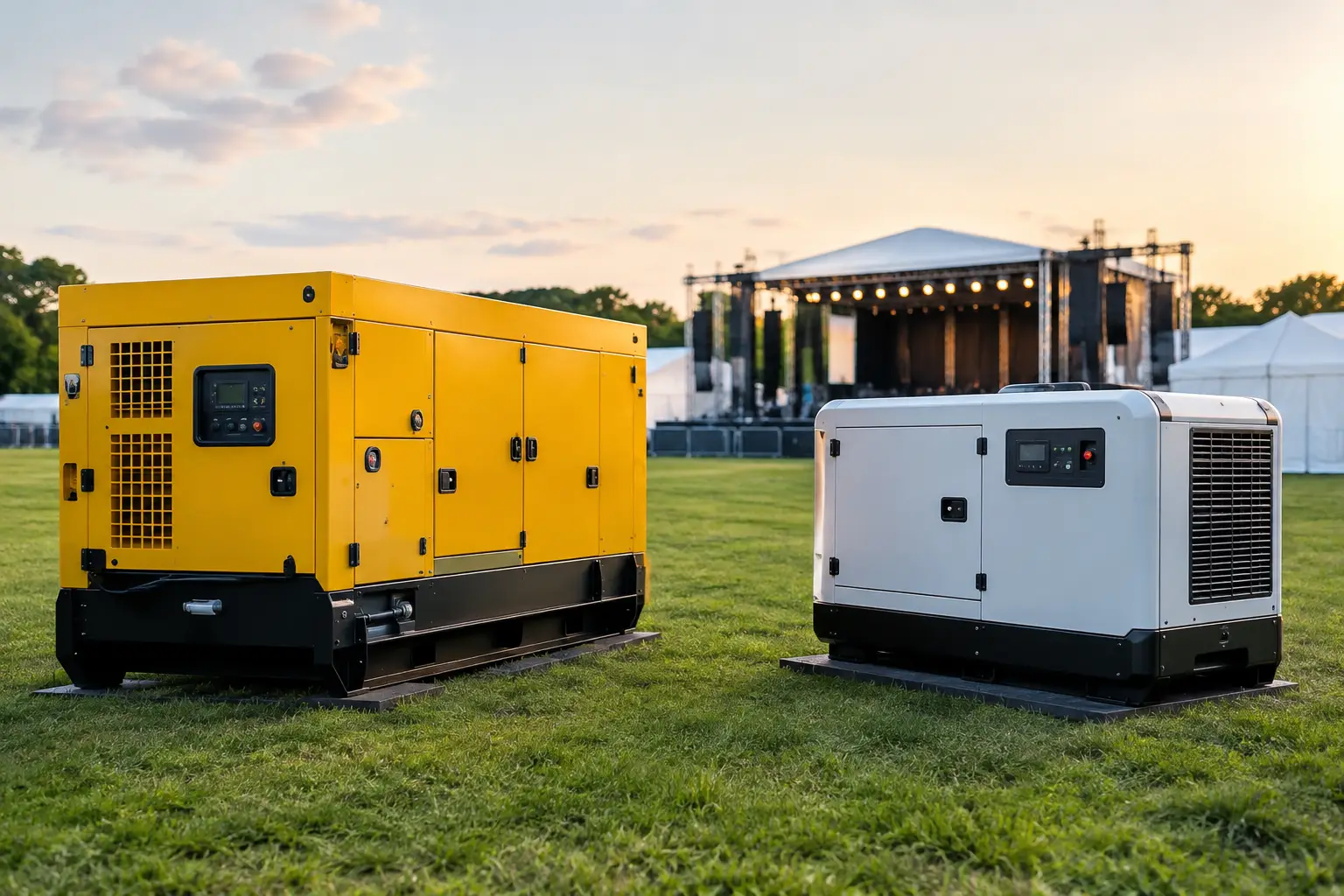
Power is often the first technical dependency. A generator should be selected using real load calculations, not a guess based on the number of appliances. Audio systems, lighting fixtures, LED screens, catering equipment, refrigeration, site offices and coffee machines can all draw from the same supply. Separating essential and non-essential circuits, specifying safe distribution and keeping backup capacity where the event demands it protects the programme from preventable interruptions.
Staging also needs more than a nominated size. Platform height affects sightlines and access. Roof systems affect wind exposure and structural requirements. Stairs, handrails, ramps and skirting affect both presentation and safety. For public events, certified structural components and the right engineering documentation are part of the job, not paperwork to chase after the equipment is already on site.
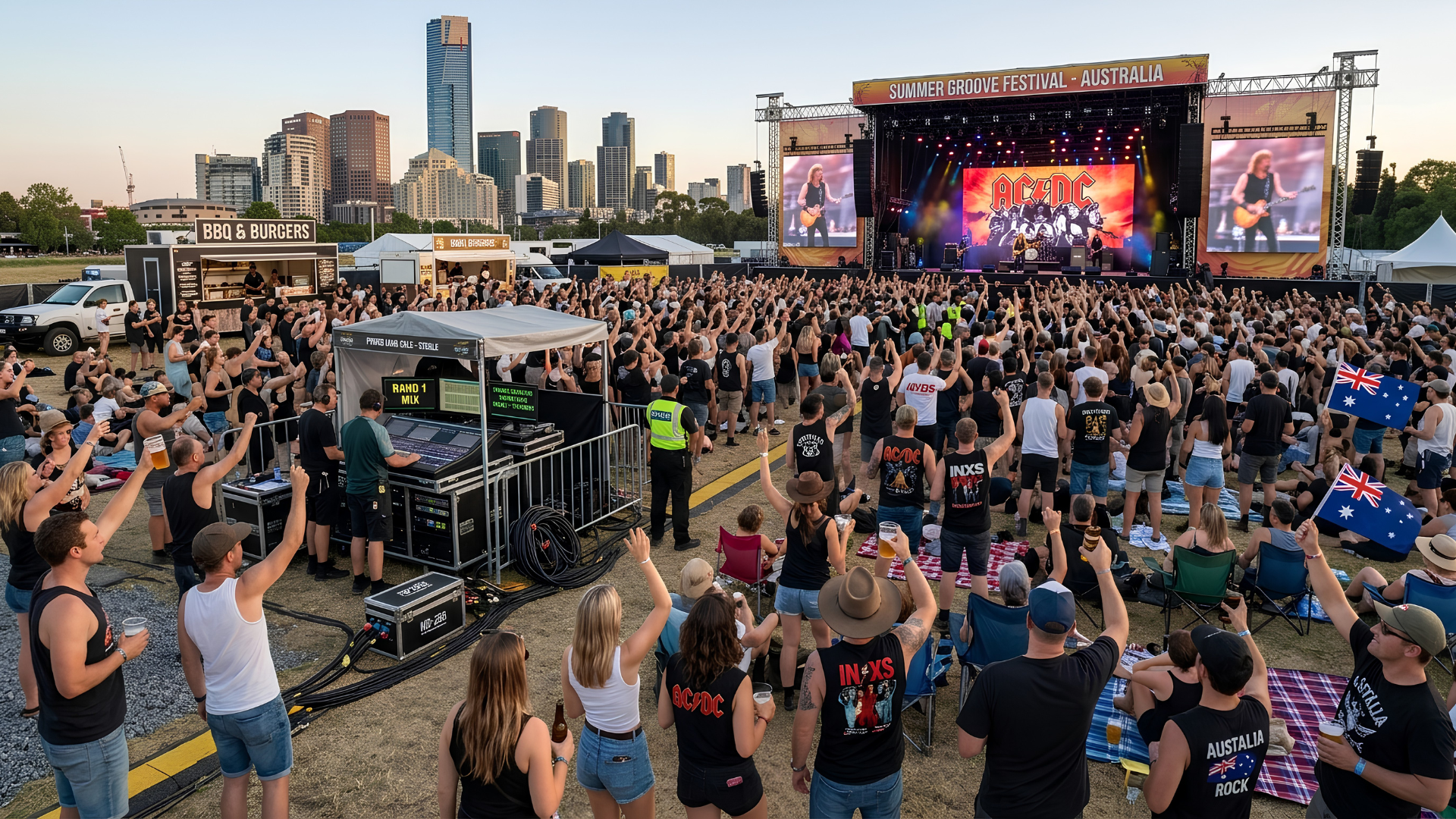
Audio and lighting should follow the audience experience. A wedding may need clear speeches, discreet lighting and a polished dancefloor setup. A conference needs speech intelligibility, confidence monitors, presentation playback and operator support. A festival needs coverage across a larger audience area, stage monitoring, artist inputs, lighting positions and a system that can be managed across a long day. The package should match the outcome, not simply maximise the equipment count.
The crew is not an optional extra
The most overlooked line in an event budget is often the crew. Yet the people who build, test and operate the system determine whether hired equipment performs as intended.
An on-site team coordinates the practical realities that cannot be solved by a delivery docket. They can check power before equipment is connected, tune audio to the room, reposition lighting after staging changes, manage cable runs, respond to a weather shift and troubleshoot during the live programme. They also know the setup because they built it.
For a low-risk private function, you may only need delivery, installation and a clear handover. For a corporate show, live music event or public gathering, an operator and technical support through the programme are usually the sensible choice. It depends on the complexity of the show, the consequences of downtime and how much technical responsibility your internal team can genuinely carry.
This is why Zero Three Event Hire approaches production as a team service rather than an equipment drop. A named coordinator, experienced technicians and specialist support provide a clearer chain of command when timings move or requirements change on site.
What happens before bump-in matters most
A reliable event is usually won before the trucks arrive. The pre-production process should turn a broad brief into a documented plan with defined inclusions, responsibilities and timings.
Start with a site discussion or inspection. Confirm the event date, guest numbers, programme, venue restrictions, supplier access, available power, stage needs and any structures required. From there, an itemised quote should make it clear what equipment, labour, transport, operating hours and compliance work are included. Transparent quoting is not just easier to approve – it prevents assumptions becoming variations on event day.
Next comes coordination. Depending on the job, this can include power plans, structural certification, engineering requirements, risk controls, traffic or access considerations, venue documentation and bump-in schedules. Requirements vary by council, venue, state and event type, so there is no one-size-fits-all checklist. The right production partner identifies what applies early enough to act on it.
Finally, build in contingency where it counts. That may mean backup equipment for a critical audio path, generator redundancy for a major public event, wet-weather protection, spare cable, extra crew coverage or a practical contingency window in the schedule. Not every event needs every safeguard. A measured plan is better than over-specifying gear, but critical systems should never rely on hope.
Choosing the right level of production support
Not every event requires a major festival-style build. The value of a package is that it can scale without losing control.
A compact package for a wedding, school event or community gathering might combine a small stage, speech audio, practical lighting, modest power support and a crew for installation. A corporate package may add branded staging, presentation screens, professional sound, room lighting and operators for content cues. A large outdoor event can bring together main-stage structures, line-array audio, lighting rigs, generators, distribution, marquees, barriers, site infrastructure and a full technical crew.
The key is to spend on the elements that protect the audience experience and the event’s non-negotiables. If speeches must be heard, prioritise properly designed audio and an operator. If a rural site has no reliable supply, prioritise power engineering and distribution. If the event is exposed to weather, prioritise structurally suitable staging, shelter and a clear response plan.
Be wary of package pricing that is attractive only because it excludes the work around the equipment. Ask whether delivery, installation, pack-down, cabling, operating crew, transport, certification, fuel, after-hours labour and backup provisions are included. The cheapest line item can become the most expensive option once every missing component is added back in.
Questions worth asking before you book
A capable provider should be able to answer practical questions without vague assurances. Ask who is responsible for the site plan and run sheet coordination; who will be on site during the event; how power loads will be calculated; what documentation is supplied; what happens if equipment fails; and how changes will be managed after the quote is approved.
Also ask whether the package has been designed for your actual audience and environment. A system that works in a quiet hotel room may not suit an open-air crowd beside traffic. A stage that looks right in a proposal may not fit through venue access. Good production planning catches those details while they are still easy to solve.
The best full event production package gives you more than a truckload of equipment. It gives you a team that has accounted for the details most likely to disrupt the day, then stays responsible until the site is cleared. Bring a clear brief, share the non-negotiables early, and choose the partner prepared to stand behind every cable, cue and contingency.