A wedding tent can look spectacular at 3 pm and become the reason dinner runs late by 6 pm. The difference is not the fabric alone. It is whether the structure has been correctly sized, positioned, secured, powered and managed for the full run of the event. That is what professional stretch tent wedding hire should deliver: an outdoor setting with the confidence of a properly operated event space.
Stretch tents suit weddings because they create shape rather than simply cover ground. Their flowing canopy lines soften a paddock, courtyard, winery lawn or private property, while open sides keep guests connected to the view. But the same flexible design needs disciplined planning. Guest numbers, site conditions, weather exposure, access, lighting and supplier movements all affect the final result.
What stretch tent wedding hire needs to cover
A stretch tent is not a one-size-fits-all marquee. It can be rigged high and sculptural, low and intimate, or configured to protect key areas while leaving others open to the landscape. Before a tent size or layout is nominated, the event needs a real operational brief.
Start with the guest count at the busiest point of the celebration, not just the number invited. A seated reception needs room for tables, chairs, aisles, a bar, catering service, gifts, cake, dancefloor and circulation. Add a band or DJ, and the footprint changes again. If speeches, formalities and dancing are all happening under the canopy, the layout must support each transition without crew shifting half the room mid-event.
The ceremony, reception and wet-weather plan also need to work together. A beautiful open-sided tent may be ideal for a dry summer afternoon, but it needs practical side protection, drainage awareness and a defined plan for wind-driven rain. The aim is not to turn an outdoor wedding into a sealed hall. It is to give the event enough cover to continue comfortably when Melbourne weather changes its mind.
The site decides more than the style
Stretch tents can work across varied sites, but every site comes with limits. A clear grass area may allow traditional ground stakes. A courtyard, hardstand, deck or location with underground services may require engineered ballast solutions instead. Trees, heritage surfaces, irrigation, overhead lines, narrow access and sloping ground can all affect the proposed rigging points and installation method.
This is why site inspection matters. Measuring from a venue photo or relying on a rough paddock dimension can lead to difficult conversations on install day. The crew needs to know where trucks can unload, how equipment reaches the site, where anchors can be placed, and whether there is space for emergency access throughout the event.
A capable provider will also consider what happens beneath the tent. Grass can be perfect for a relaxed cocktail-style wedding, but formal dining often benefits from flooring or carefully selected surface protection. On uneven ground, a dancefloor may need levelling support. On soft ground after rain, access and load distribution become just as important as the tent itself.
Build the layout around the wedding, not the tent
The strongest tented weddings have a clear guest journey. Guests should know where to arrive, where to find the bar, where dinner is served and where the celebration moves after formalities. A tent needs to support that flow rather than create pinch points around furniture, catering stations or entrances.
For a cocktail reception, the canopy can cover the bar, food service and a central gathering area while retaining open edges for views and mingling. For a seated reception, the tent needs a more deliberate floor plan. Table placement should leave enough room for staff to serve, guests to move between seats, and the couple to make an entrance without squeezing past chair backs.
Think carefully about the dancefloor. Placing it in the centre makes it the focus from the start, which suits a party-led reception. Positioning it to one side can preserve a calmer dining atmosphere before the first dance. Neither option is automatically right. It depends on whether the day is built around long-table dining, live music, a band setup, cultural performances or a late-night dance set.
Keep service areas practical but discreet. Caterers need protected preparation space, power, lighting, water access where required and a path to tables that does not cut through the ceremony or guest arrival route. Mobile bar teams need similar consideration. A glamorous tent setup loses momentum quickly if suppliers are hauling stock through the main entrance during speeches.
Weather protection is a production decision
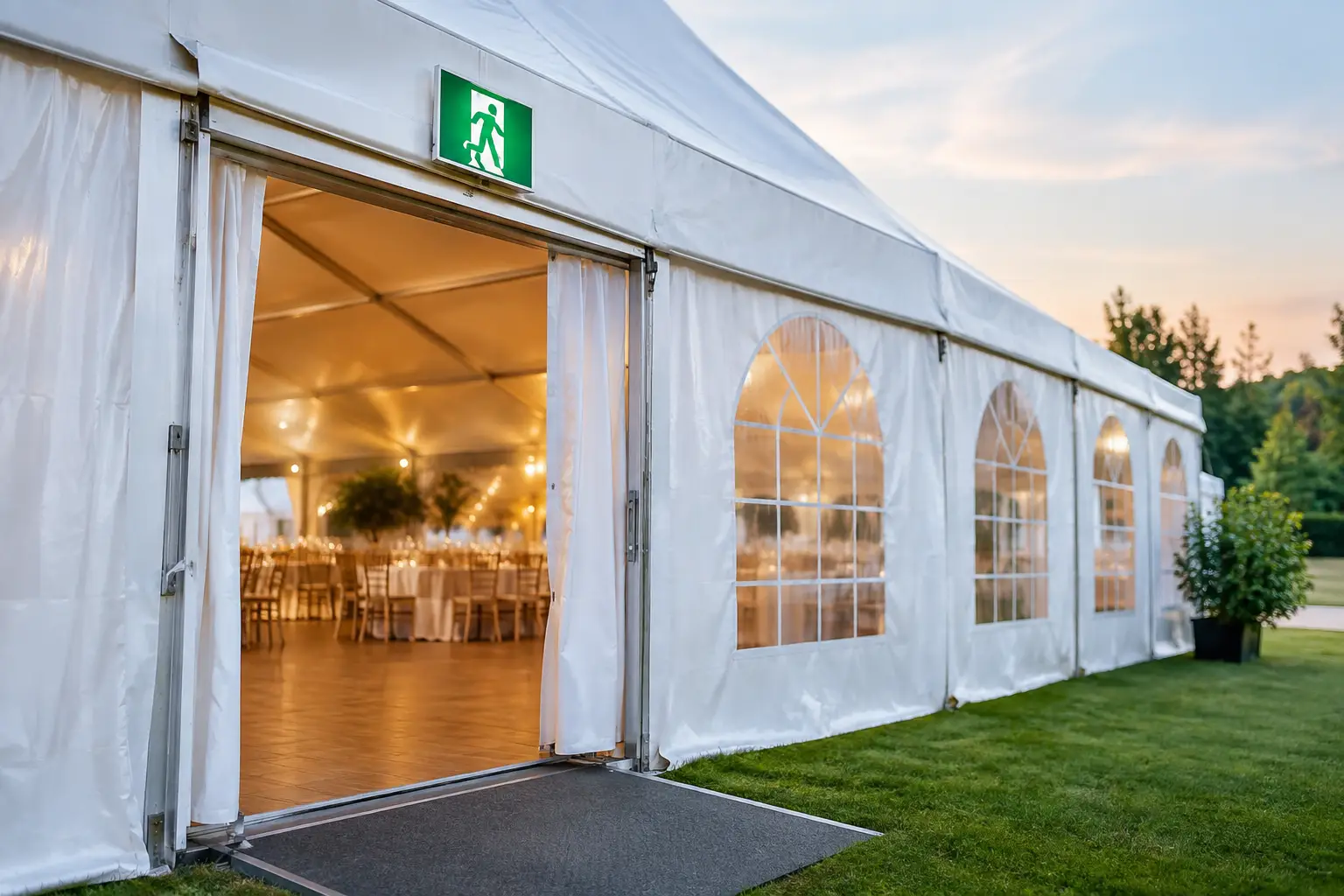
A stretch tent performs beautifully in changing conditions when its design matches the forecast risk and the site. High peaks assist with water run-off, while the orientation of open sides can reduce exposure to prevailing wind and rain. Optional side walls or additional covered links can protect a bar, catering zone, toilets or guest entry without closing in the whole structure.
Wind is the factor many couples underestimate. It affects not only guest comfort but also furniture, florals, audio, lighting fixtures and the safe use of open tent edges. Rigging, anchoring and structural configuration must be determined by qualified personnel, not improvised after the tent is already up.
Plan for temperature as well. A clear afternoon can become cold once the sun drops, particularly in regional or exposed Victorian locations. Heating, side protection and a thoughtful tent footprint can keep guests at tables rather than heading for their cars early. In warmer conditions, open sides and airflow matter, but so does shading the parts of the event where guests queue, eat and drink.
Power and lighting make the tent usable after dark
The tent sets the atmosphere. Power and lighting allow the event to operate.
A wedding commonly needs electricity for caterers, bar refrigeration, band or DJ equipment, PA systems, festoon lighting, feature lighting, heating and mobile amenities. These loads must be calculated together, with appropriate distribution and circuit protection. Adding equipment on the day without a power plan is how generators overload, cables end up in guest paths and key services compete for supply.
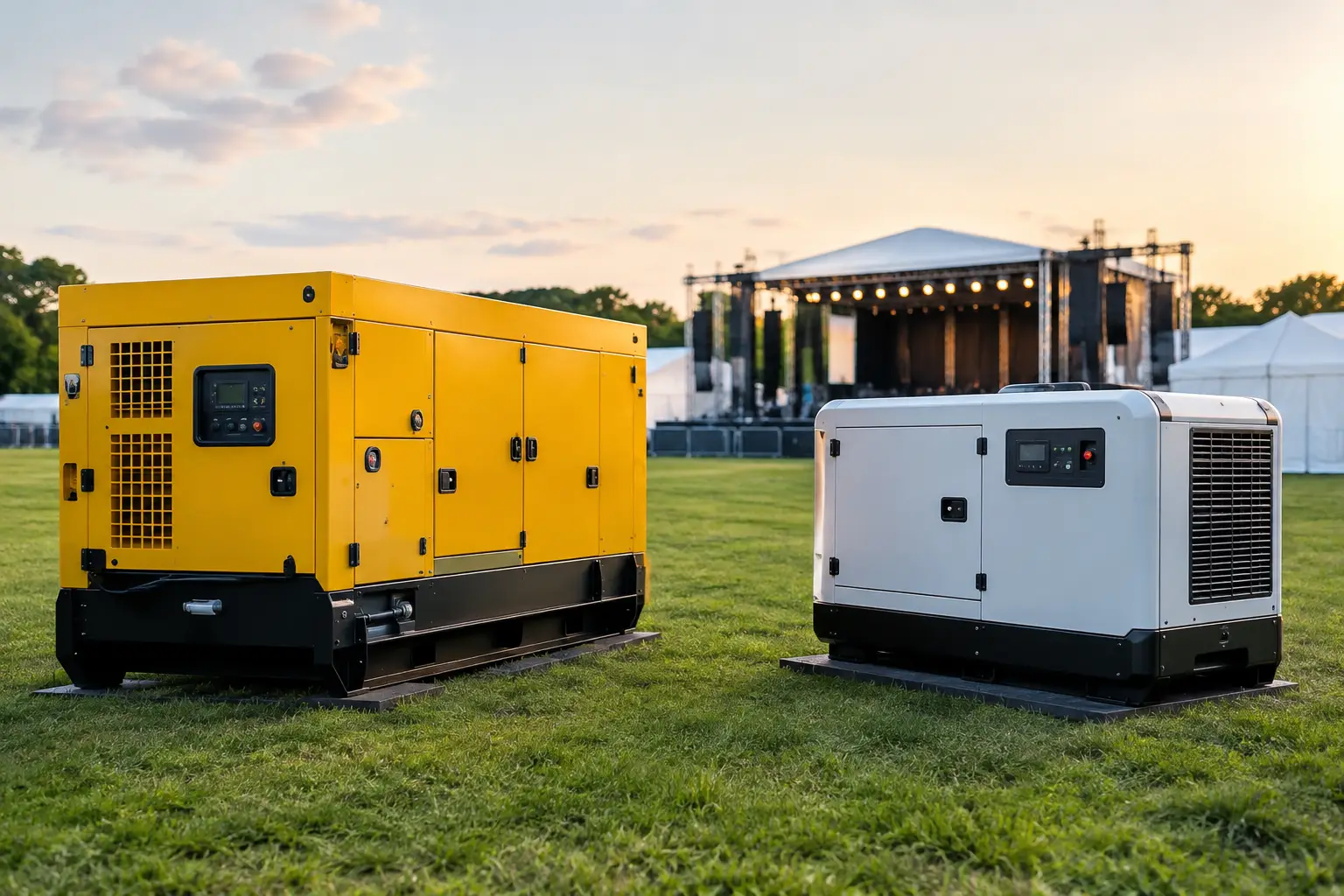
Where mains power is unsuitable or unavailable, a correctly sized generator package can support the full event. It should be positioned with noise, exhaust direction, cable runs and refuelling requirements in mind. Backup planning is also worth discussing for remote sites or events where a lost power supply would stop catering, speeches and music at once.
Lighting should be layered rather than treated as an afterthought. General warm lighting helps guests move safely and comfortably. Feature lighting gives the canopy its character. Focused light at the bar, catering areas, entrances and amenities helps staff do their jobs. Then there is the practical work nobody notices when it is done properly: cable management, protected crossings, compliant installation and enough light outside the tent for guests walking to parking or toilets.
Choose a team, not a tent drop-off
A tented wedding brings multiple suppliers onto one site, often within a tight access window. The tent install affects flooring, furniture, lighting, AV, catering and styling. If each supplier is working from a different plan, the couple or planner becomes the traffic controller. That is not where their attention should be on the days leading into the wedding.
Zero Three Event Hire approaches wedding infrastructure as an integrated build. The process starts with the event brief and site requirements, then moves through an itemised quote, structural and compliance considerations, delivery scheduling, installation, live-event support where required, and full pack-down. The objective is one accountable team that understands how the tent, power, staging, sound and lighting affect each other.
Ask any supplier who is responsible for the structure, how wind and rain contingencies are managed, whether crew are available during the event, and what equipment is included in the quoted scope. Clear answers matter more than a cheap starting figure. A wedding is not the place for vague allowances, surprise delivery restrictions or a tent crew that leaves before the rest of the production is operational.
Questions to settle before you confirm
Before locking in your tent design, confirm the final guest count range, site access times, ground conditions, supplier requirements and venue restrictions. Check whether permits, engineering documentation, noise limits or council conditions apply. If the wedding is on private property, also account for toilets, parking, waste, emergency access and neighbour considerations.
Most importantly, decide what must stay protected if the weather turns. For some couples, that is every dining table. For others, it is the ceremony, bar, dancefloor and catering operation, with outdoor lounge areas left open. There is no single right answer, but there should be a deliberate one.
A stretch tent should make an outdoor wedding feel more considered, not more complicated. Get the structure, site plan and technical support right early, and when the music starts and the weather shifts, the celebration keeps moving until the last note drops.