A room can have excellent food, a great run sheet and a full guest list, then still feel wrong because the furniture plan was treated as an afterthought. Professional table and chair hire is not just about filling a venue. It is about creating clear sightlines, comfortable seating, workable service paths and a setup that is ready when guests arrive.
For weddings, conferences, church gatherings, sporting presentations and public events, the right furniture package helps the entire production run properly. The wrong one creates bottlenecks at registration, awkward gaps on the floor, blocked emergency access and a pack-down that drags well past schedule.
Table and chair hire starts with the event plan
The first question is not, “How many chairs do we need?” It is, “How does the event need to work?” A 150-person seated dinner requires a very different layout from a 150-person awards night, seminar or standing cocktail function.
Guest numbers are the starting point, but they are not the whole brief. We also need to account for the venue dimensions, entrances, catering access, stage position, dance floor, AV control area, emergency exits and accessibility requirements. If speeches are part of the programme, guests need a clear view of the stage and screens. If food is being served at tables, waitstaff need room to move without cutting through the audience every two minutes.
Round tables can suit weddings and gala dinners where conversation matters. Trestle tables work well for community meals, exhibitions, registration zones and long shared dining arrangements. Rectangle tables may be the better call for training rooms, board-style sessions or venues where every square metre counts. Chair choice needs the same discipline: comfort, presentation, floor protection and stackability all affect the final outcome.
Layout is where furniture becomes infrastructure
A furniture plan has to work on paper and on site. That means allowing for chair clearance, not simply calculating how many tabletops fit inside the room. Once guests are seated, aisles narrow quickly. Add a camera operator, catering trays, prams, mobility aids or a photographer moving between tables, and an overpacked room becomes hard work.
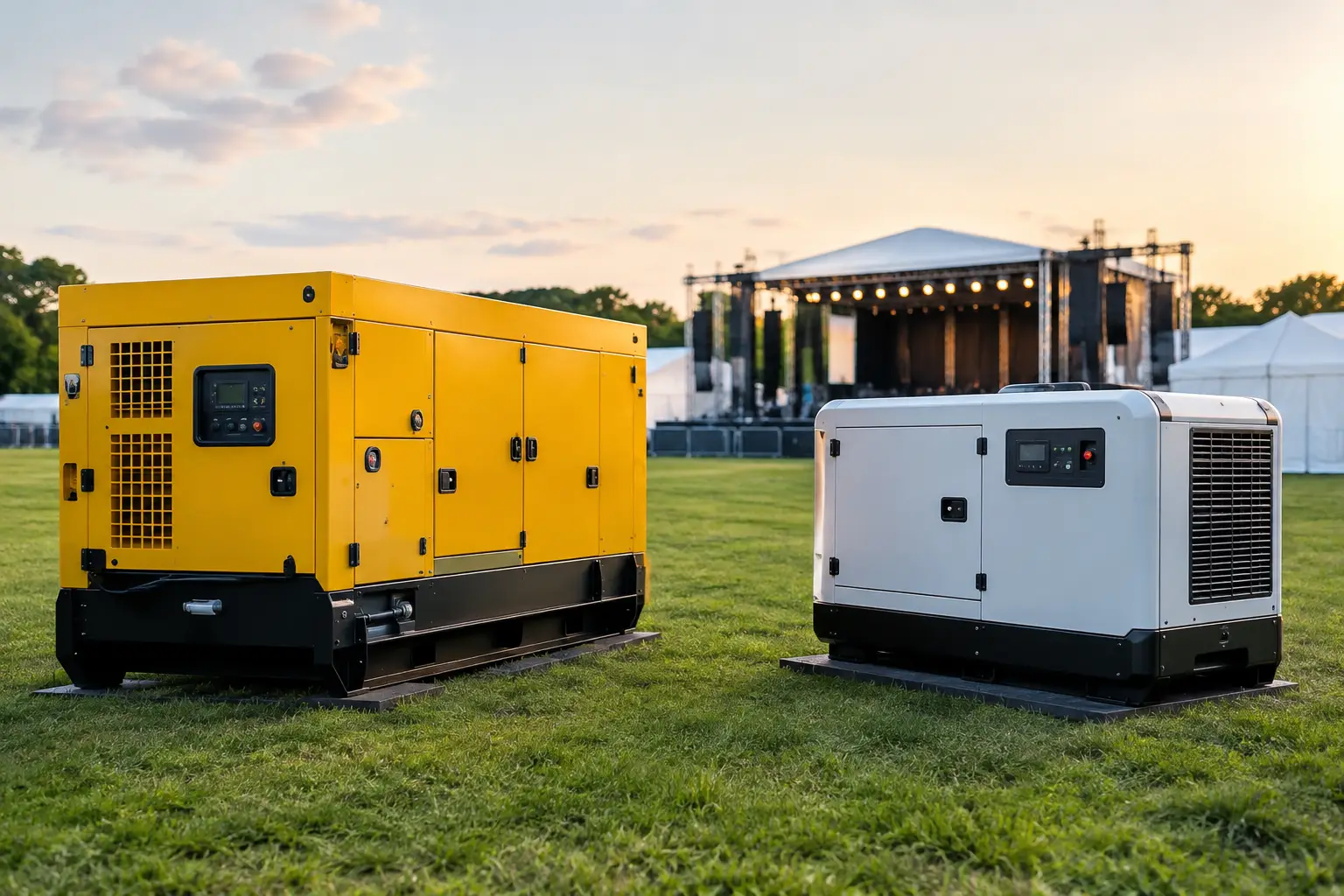
For larger events, furniture placement must also sit alongside production infrastructure. Staging, speaker towers, lighting stands, cable runs, generators and temporary structures each need their own safe footprint. A table positioned too close to a stage edge or emergency route is not a small styling issue. It can become a compliance and operational problem on event day.
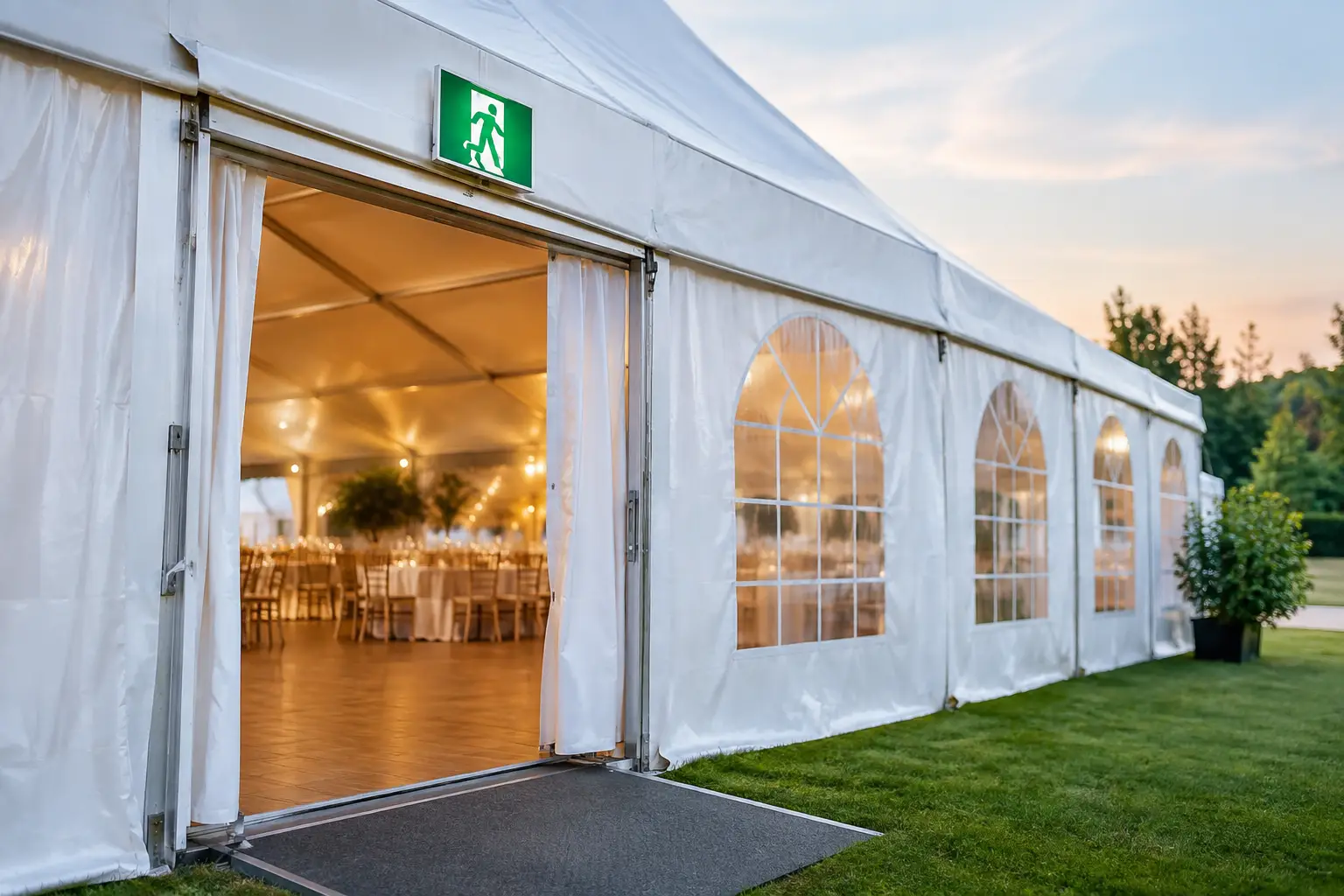
Outdoor events add another layer. Uneven ground, soft grass, weather exposure and wind all change the equipment and labour required. Tables and chairs may need protection from rain, secure placement under a marquee, or a revised layout that preserves access to amenities and power distribution.
What a properly managed hire package should include
Dry hire can be suitable for a simple backyard gathering where the client has transport, labour and a straightforward site. For most managed events, however, the value is in having one team take responsibility for delivery, placement and removal.
A well-scoped package should clearly identify the furniture type, quantities, delivery window, installation requirements, collection timing and any crew support. It should also make clear who is responsible for repositioning furniture during the event, particularly where layouts change from ceremony to reception, presentation to dinner, or day programme to evening entertainment.
At Zero Three Event Hire, furniture can be planned as part of the wider event build rather than arriving as a separate delivery with no connection to the stage, power, marquee or AV schedule. That means fewer supplier handovers, a clearer site plan and one accountable team working from the brief through to pack-down.
Avoid the common table and chair hire mistakes
The most expensive furniture problems are usually planning problems. Ordering exactly one chair per guest leaves no margin for damaged items, late additions or crew requirements. Assuming a venue has enough loading access can result in delayed setup. Booking tables before confirming the stage, dance floor or buffet footprint can force a rushed redesign on event day.
It also pays to be realistic about timing. A morning delivery is not the same as a completed setup. If tables need linen, place settings, florals, name cards or centrepieces, each supplier needs a clear window to work without tripping over the next crew. For public-facing events, completed furniture placement should happen early enough for a final safety and presentation check before doors open.
Give guests a space that works from arrival to departure
The best table and chair hire disappears into the event experience. Guests find their seat easily, staff move efficiently, the room looks intentional and the production team has space to do its job. No last-minute reshuffles. No blocked aisles. No wondering who is responsible when the schedule tightens.
Start with the guest journey, then build the furniture plan around the site, service flow and production footprint. That is how an empty venue becomes an event space ready to perform until the last note drops.