A stage arriving on time is only half the job. If it is not levelled, certified, fitted with safe access, connected to the right power and supported when the run sheet changes, it can quickly become the problem that defines the day. That is where the choice between wet hire versus dry hire matters.
For a simple, low-risk requirement, dry hire can be a sensible way to access equipment. For an event with public attendance, changing schedules, technical production or strict venue requirements, wet hire often provides the control that keeps the show moving. The right choice is not about paying for more than you need. It is about matching responsibility to risk before trucks roll in.
What dry hire means for an event
Dry hire is equipment supplied without an operator or production crew to run it. You hire the physical asset – perhaps a PA system, lighting fixtures, generator, marquee component or stage deck – then your team collects it, installs it, operates it and returns it according to the agreed terms.
This can work well when the equipment is straightforward and the person taking responsibility knows exactly what they are doing. A venue may have an experienced in-house AV technician. A school could have a competent facilities crew setting up a small presentation system. An agency might use dry hire for additional furniture, barriers or a familiar piece of non-critical equipment.
The attraction is clear: the headline hire rate is generally lower because it does not include crew time, transport coordination, setup, operation, troubleshooting or pack-down. It also gives experienced users direct control over timing and configuration.
But dry hire does not remove those jobs. It transfers them. The organiser, venue or nominated contractor takes responsibility for collecting the equipment, checking it, using it correctly, protecting it from damage and returning it in the required condition. They also need to manage labour, access windows, safety requirements and the consequences of a technical issue during the event.
What wet hire includes
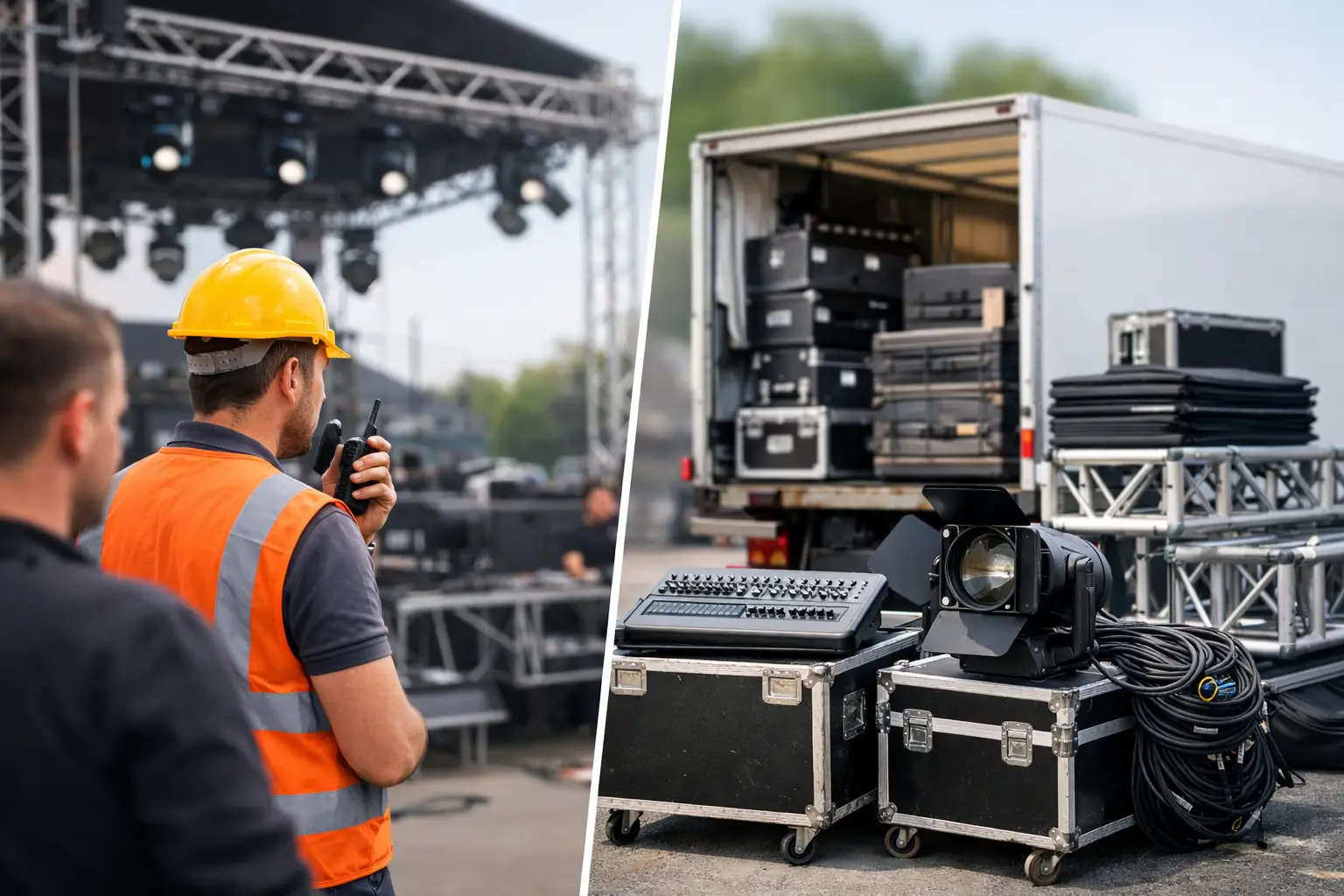
Wet hire supplies the equipment with the people and operational capability required to deliver it properly. In live events, that can mean more than an operator standing beside a console. It may include delivery, installation, cable management, testing, power-load calculations, compliance documentation, live operation, fault response, pack-down and site coordination.
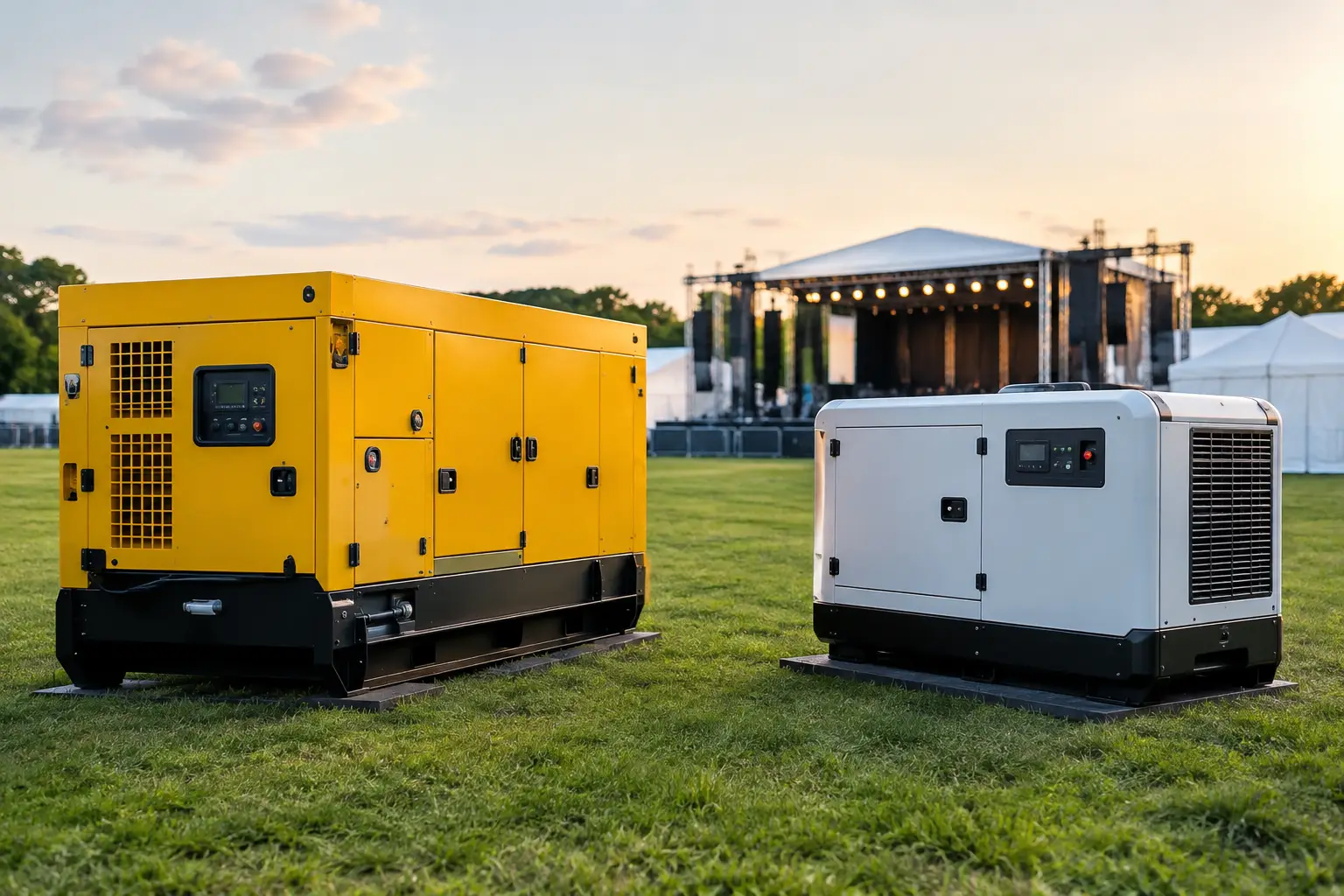
For example, wet hiring a generator for a festival is not simply having someone switch it on. It means the power system is sized for the actual load, distribution is planned, fuel is managed, leads are protected, changeovers are considered and a technician is available if conditions change. Wet hiring a stage can include transport, installation, ballast or anchoring requirements, handrails, stairs, certification and an experienced crew working within the venue or site schedule.
This model is built for accountability. Rather than asking several suppliers and volunteers to work out where responsibility starts and finishes, the provider owns the equipment and its delivery on site. When the event moves from brief to standing ovation, there is a team with a practical reason to make every element work.
Wet hire versus dry hire: the real difference
The key difference is not just whether a crew is present. It is who carries the operational risk.
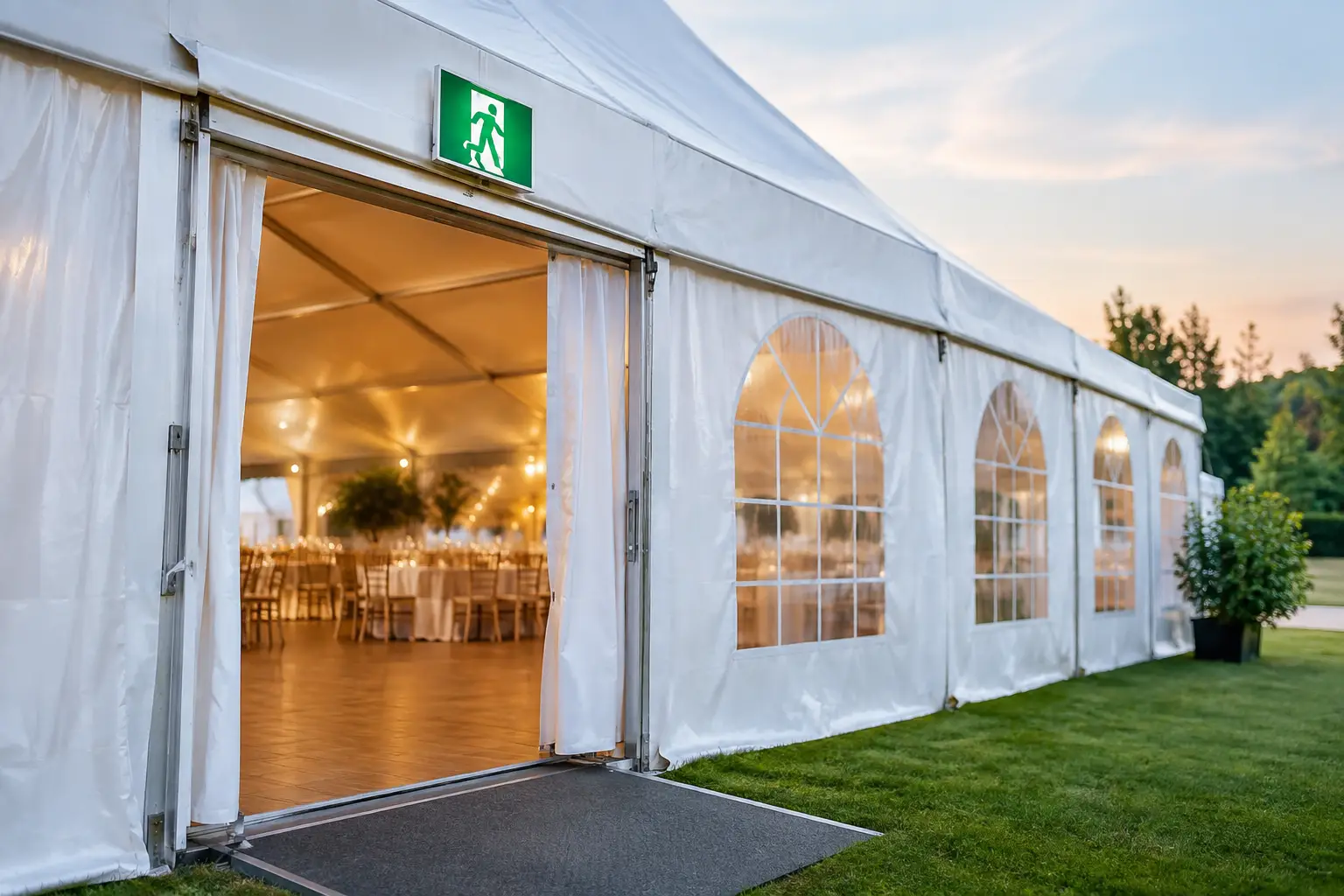
With dry hire, you are paying for access to equipment. With wet hire, you are engaging a provider to make that equipment perform as part of a working event environment. That distinction becomes significant when systems connect to each other. A lighting rig needs safe structure and adequate power. A line array needs correct positioning, rigging points and system tuning. A marquee needs site-aware installation and wind considerations. None of these elements operates in isolation once guests, performers and public safety are involved.
Wet hire generally costs more upfront because crew, logistics and technical oversight are visible line items. Yet the comparison should not end at the hire rate. Consider what it would cost to organise a truck, loading crew, qualified electrician, AV operator, site supervisor, replacement equipment and emergency response separately. Then consider the cost of a delayed ceremony, interrupted keynote, silent stage or unsafe setup.
For many organisers, wet hire is not an added expense. It is the mechanism that prevents fragmented responsibility from becoming an event-day failure.
When dry hire is the right call
Dry hire is a good fit when the scope is contained, the equipment is familiar and an experienced person is clearly accountable for its use. A small speaker system for a staff meeting, extra LED uplights for a venue that already has a lighting technician, or crowd-control equipment for a well-resourced site may not require a full technical crew.
It can also suit production companies and venues with established systems, qualified staff and reliable transport. In those circumstances, they may only need a specific item to supplement their existing inventory.
The decision should be based on capability, not confidence alone. Before selecting dry hire, confirm who will complete the following: transport and unloading, installation, safe operation, electrical connection, testing, monitoring, fault finding, security and pack-down. If those answers involve assumptions such as “someone from the team should be able to handle it”, dry hire may be creating more exposure than value.
When wet hire protects the event
Wet hire is the stronger option where infrastructure is critical, schedules are tight or the event has little tolerance for disruption. That includes weddings where the ceremony cannot wait for a sound fault to be traced, corporate events with high-value speakers, public activations, sporting events, church productions, festivals and community gatherings.
It is particularly valuable when several technical systems need to work together. A single production partner can coordinate staging, power, AV, lighting, structures, access and crew call times around one site plan. That reduces duplicated deliveries, conflicting instructions and the familiar last-minute question: “Who is looking after that?”
For events in Melbourne, access restrictions, variable weather and venue-specific requirements can add another layer of complexity. A crew that has planned the delivery window, installation sequence and contingency measures is better positioned to adapt without pushing problems onto the client.
Wet hire also provides a clearer path through compliance. Depending on the scope, an event may need electrical safety measures, engineering documentation, structural certification, public-liability evidence, traffic or site plans and venue approvals. The exact paperwork varies, but the organiser still needs it ready when it is requested. An experienced production supplier can identify what is relevant early rather than discovering a missing document during bump-in.
Questions to ask before choosing a hire model
Start with the equipment, then look beyond it. Ask whether it is safety-critical, whether it will be used around the public, and whether failure would stop the event. Consider the access conditions, weather exposure, load-in time, available power, crew experience and whether a technician must remain on site while guests are present.
You should also ask what happens if something fails. Is there a phone number only, or is a technician already on site with the knowledge and authority to act? Is replacement equipment available? Who can approve changes if the run sheet shifts, a performer brings additional gear or weather forces a revised layout?
A transparent quote should make the model obvious. Dry hire should state what equipment is supplied and what the hirer must arrange. Wet hire should identify crew roles, hours, delivery, setup, operation, pack-down and any allowances or exclusions. Clear itemisation avoids the unpleasant surprise of discovering that the quoted stage did not include stairs, handrails, transport or labour.
Build the hire model around the consequence of failure
There is no prize for choosing dry hire when the event needs a production crew, and no value in overstaffing a straightforward requirement. The sensible decision is the one that gives your event the right level of control.
If you have capable operators, a contained scope and a genuine plan for every task, dry hire can be efficient. If the event relies on power, staging, sound, lighting or structures performing without excuses, wet hire puts trained people behind the gear until the last note drops.
Before committing, map the responsibility chain from delivery through to pack-down. The gaps you find are usually the clearest answer to which hire model your event needs.