A stage can arrive on time, the caterer can be ready to serve and the entertainment can be waiting in the wings, yet the event can still stop cold. One missing cable path, an unconfirmed vehicle gate, an overloaded generator or a crew booked for the wrong bump-in window is enough. Coordinating multi vendor event logistics is the work of finding those gaps before they become a public problem.
For a wedding, corporate launch, school presentation or public festival, the challenge is rarely the individual supplier. It is the handover between suppliers. Who confirms the stage is installed before lighting is flown? Who has calculated the load before AV, catering and amenities connect? Who owns the site when a delivery ute arrives late or wet weather changes the ground conditions?
The answer needs to be a nominated operational lead with the authority, information and crew to make decisions. Without one, the organiser becomes the switchboard while trying to run the event.
Coordinating Multi Vendor Event Logistics Starts With One Plan
A run sheet alone is not an event logistics plan. A run sheet tells people what is meant to happen and when. A working logistics plan also records where each supplier goes, how they enter, what they need from the site, what they can connect to, who signs them in and what must be complete before the next trade begins.
Start with a site plan that shows the event footprint in practical terms: stage position, marquee or structure locations, FOH control, speaker coverage, power generation, cable routes, vehicle access, emergency exits, amenities, catering, storage and public circulation. Every vendor should be working from the current version, not a PDF emailed three revisions ago.
Then build the event backwards from doors open. Set the non-negotiable milestones first: site access, structural installation, electrical test and tagging, AV commissioning, rehearsals, final presentation checks and public entry. Give each milestone an owner and a realistic contingency window. If the main stage needs to be ready for soundcheck at 2 pm, it cannot be competing with catering vehicles for the same loading route at 1.45 pm.
This is where production experience pays for itself. The right order of work protects both the schedule and the equipment. Structures and staging generally come before lighting, audio and scenic finishes. Power distribution needs to be installed and tested before technical systems are commissioned. Cabling needs protection before public areas are dressed and opened.
Make Power, Access and Site Conditions Shared Responsibilities
The most expensive failures are often hidden at first. A supplier may have quoted their own equipment correctly while assuming somebody else has allowed for the supporting infrastructure.
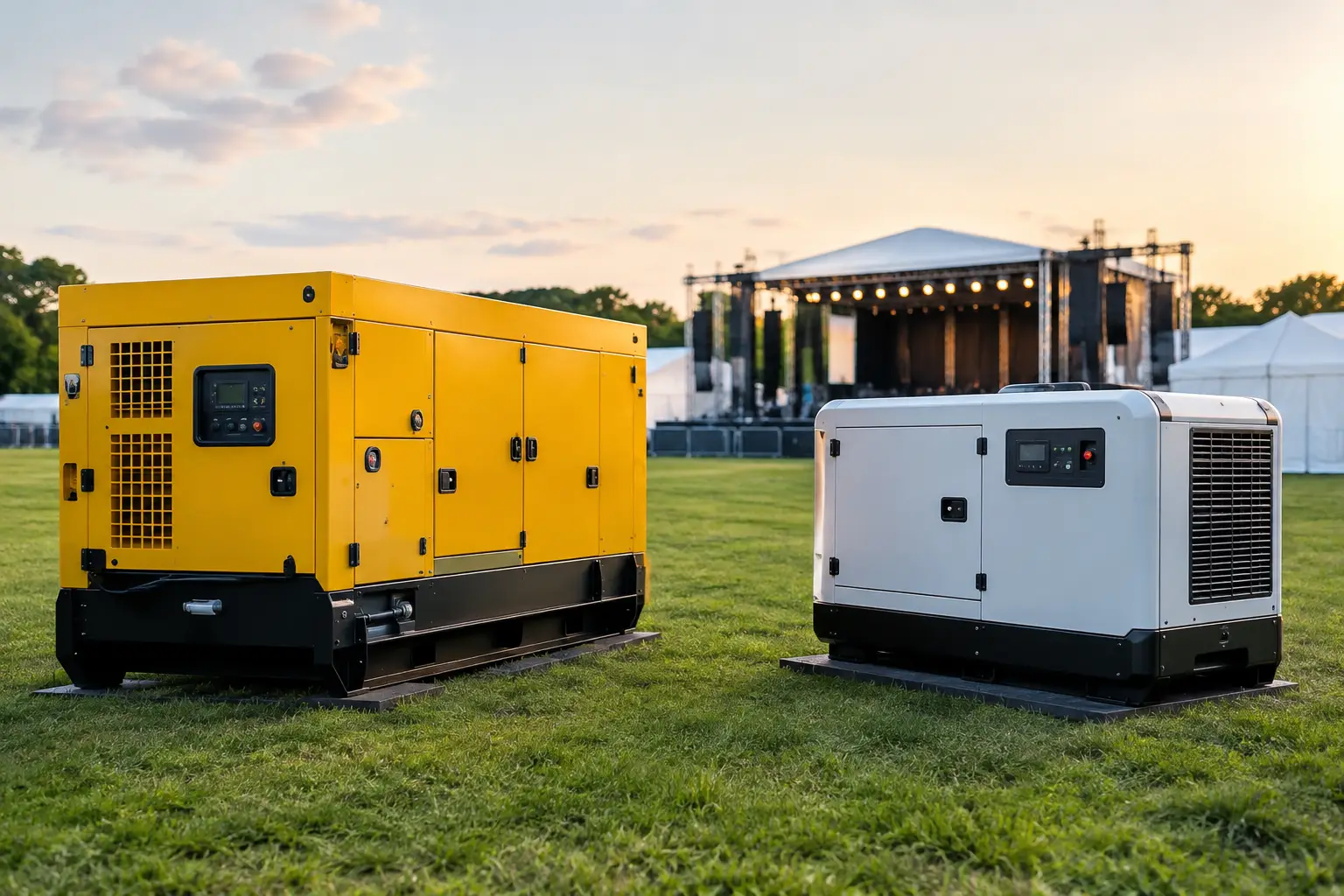
Power is the classic example. Audio, lighting, LED screens, catering equipment, refrigeration, temporary amenities and charging stations do not simply plug into a generator because it is nearby. Each load needs to be calculated, circuits need to be allocated, distribution needs to suit the site, and sensitive AV equipment needs stable supply. Spare capacity is not wasteful. It is what keeps an added urn, a last-minute vendor or a starting surge from taking down a live system.
Access is equally connected. Confirm vehicle dimensions, gate widths, loading heights, turning space, delivery curfews and the exact location for unloading. A ute that cannot reach its installation point does not just delay that supplier. It can block the next four deliveries behind it.
Outdoor events need an honest assessment of ground, weather and wind. Grass, soft ground, sloping surfaces and drainage affect where trucks can travel, whether ballast is needed, how structures are engineered and how cables are protected. Melbourne weather can turn a straightforward outdoor set-up into a moving target in a single afternoon. Plan wet-weather actions before bump-in, including who makes the call, when it is made and what equipment or crew can be redeployed.
Put Compliance Into the Build, Not the Paperwork Pile
For public-facing events, compliance cannot sit in an inbox until the week before gates open. It changes the physical build.
Depending on the event, the project may require engineering documentation for temporary structures, electrical compliance, traffic management, public liability details, emergency planning, noise controls, venue approvals and permit information. Requirements vary by council, venue, crowd size and event type. A private function at a venue is not managed the same way as a public activation in a park.
The practical question is not just, “Do we have the paperwork?” It is, “Does the installed event match the approved paperwork?” If a marquee is moved, a stage grows, a barrier line changes or generator placement shifts, the risk assessment and site plan may need to change too.
Ask every vendor for the documents they are responsible for, then nominate one person to track outstanding items and version control. Keep copies accessible on site. Your production manager, venue representative and key suppliers should be able to confirm the current plan without hunting through email chains on a mobile.
Use One Communications Chain During Bump-In
Group chats are useful for quick updates, but they are not a command structure. When every vendor can make a decision independently, small changes spread fast and accountability disappears.
Set a clear chain of communication before utes arrive. The event organiser should know who the lead production contact is. The lead production contact should know the decision-makers for venue, security, catering, AV, staging, power and any specialist contractors. Suppliers should understand which changes they can make themselves and which changes require approval.
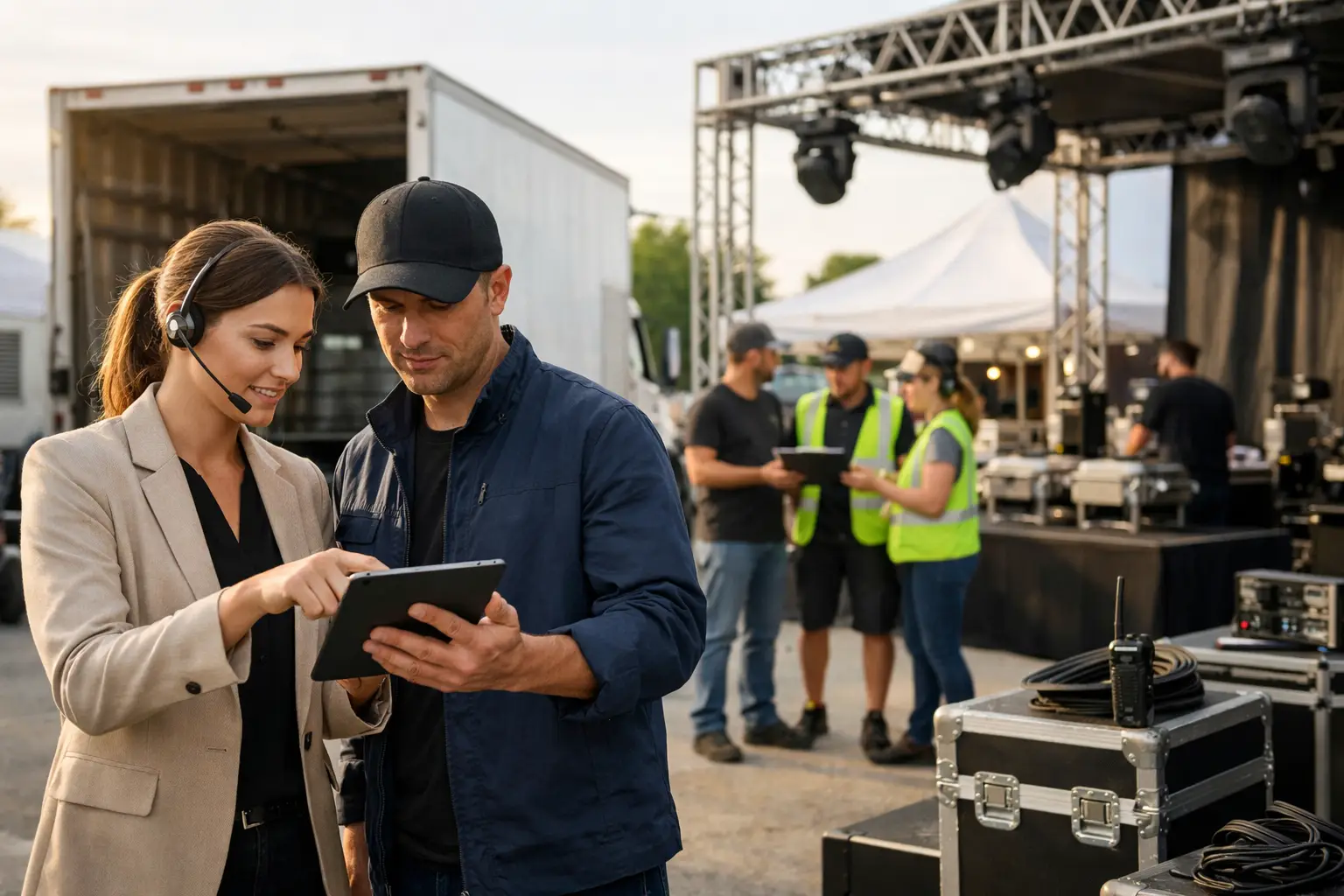
A short production briefing at the start of bump-in is worth the time. Cover the delivery sequence, restricted areas, emergency access, cable routes, high-risk work, weather outlook, food and break arrangements, radio channels and the next check-in time. Crews work better when they know what the team around them is doing.
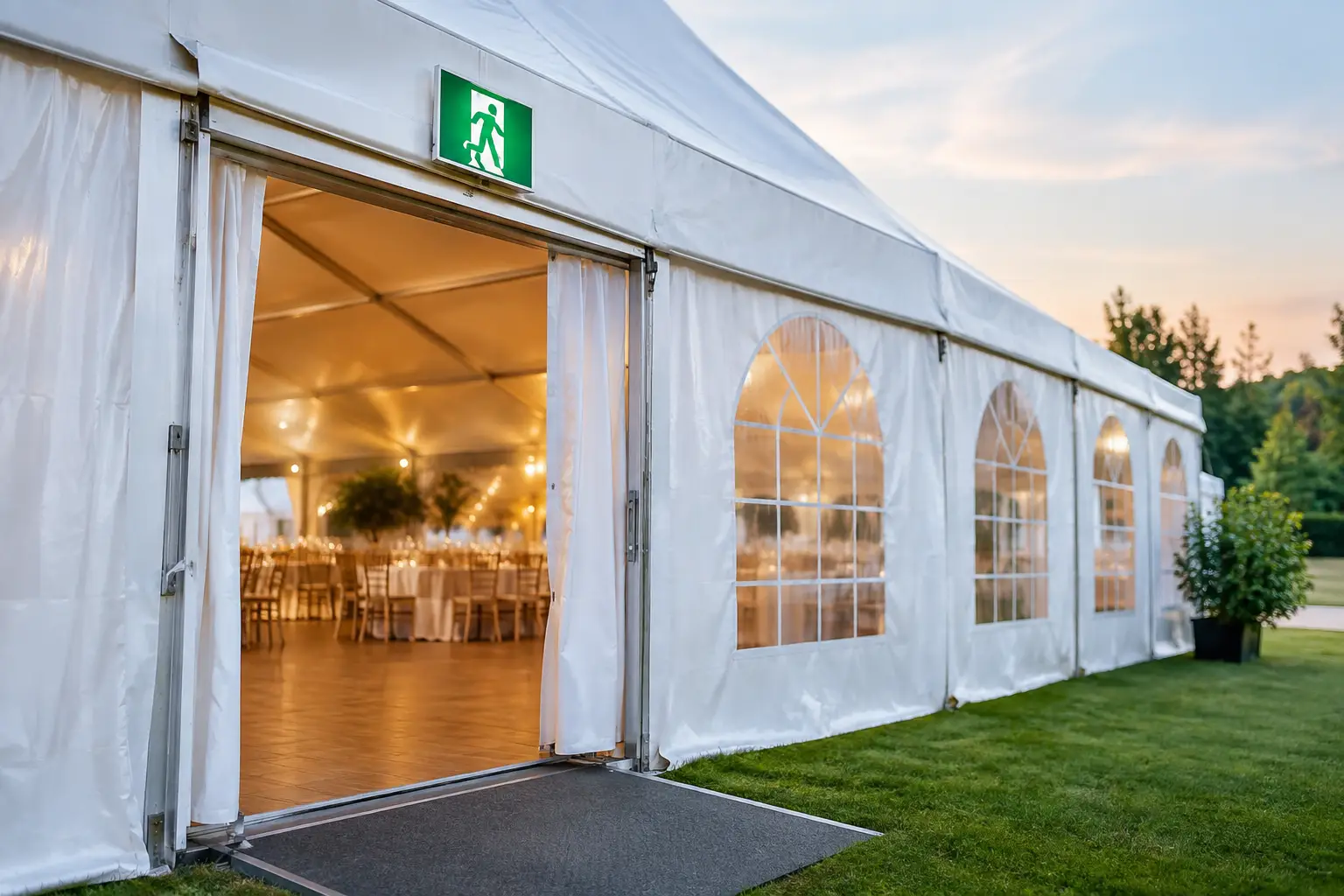
During the build, conduct physical checks rather than relying on status messages. Walk the site and inspect the details guests will never see but will feel if they fail: cable ramps seated correctly, exits clear, generators secured, barriers stable, stage stairs fitted, lighting safely aimed, FOH positions protected and signage placed where people actually enter.
Plan for Faults Without Building the Event Around Panic
No serious event plan assumes every component will behave perfectly. Equipment can fail, weather can intervene, roads can close and a presenter can request a change five minutes before doors. The difference is whether the response is improvised or already allowed for.
Build contingencies around the systems that would stop the event. For critical infrastructure, that may mean backup microphones, spare cable, redundant playback, additional power capacity, a technician on site, wet-weather covers or an alternate vehicle route. For a large public event, it can also mean alternative access arrangements and a clear escalation process for crowd or weather issues.
Not every event needs the same redundancy. A small wedding reception may need a practical backup microphone and a technician who can respond quickly. A festival with multiple stages, substantial attendance and strict programming needs a deeper equipment and crew plan. The scale should match the consequence of failure, not just the size of the invoice.
Choose Accountability Over a Cheaper Fragmented Quote
Splitting staging, generators, audio, lighting, marquees and crew between separate vendors can appear cheaper at the quoting stage. It may be the right choice when the venue has an experienced in-house production team and the event has simple technical needs. But the savings can disappear quickly when suppliers disagree over scope, access, power responsibility or overtime caused by another contractor’s delay.
A full-service production partner brings these connected systems under one operational plan. That means the power team is talking to the AV team, the staging crew knows the lighting requirements, and the person managing the build has visibility over delivery times, compliance documents and pack-down. It also gives the organiser one accountable contact when a decision needs to be made.
Zero Three Event Hire works this way because equipment alone does not deliver an event. A properly scoped package includes the technical crew, coordination, documentation and live-event support needed to carry the job from brief to standing ovation, then through pack-down.
The best time to solve a logistics problem is while it is still a line on a site plan. Bring every vendor into the same operational conversation early, confirm who owns each handover and leave enough time to do the work properly. When gates open, your guests should see a confident event – not the compromises it took to build it.