A stage can be built, guests can be seated and the run sheet can be perfect, but none of it matters when the power drops as the MC picks up the microphone. Event power is the system behind every light, speaker, catering appliance, EFTPOS terminal, broadcast feed and bump-in crew tool. Treating it as an afterthought is how otherwise well-planned events become very public problems.
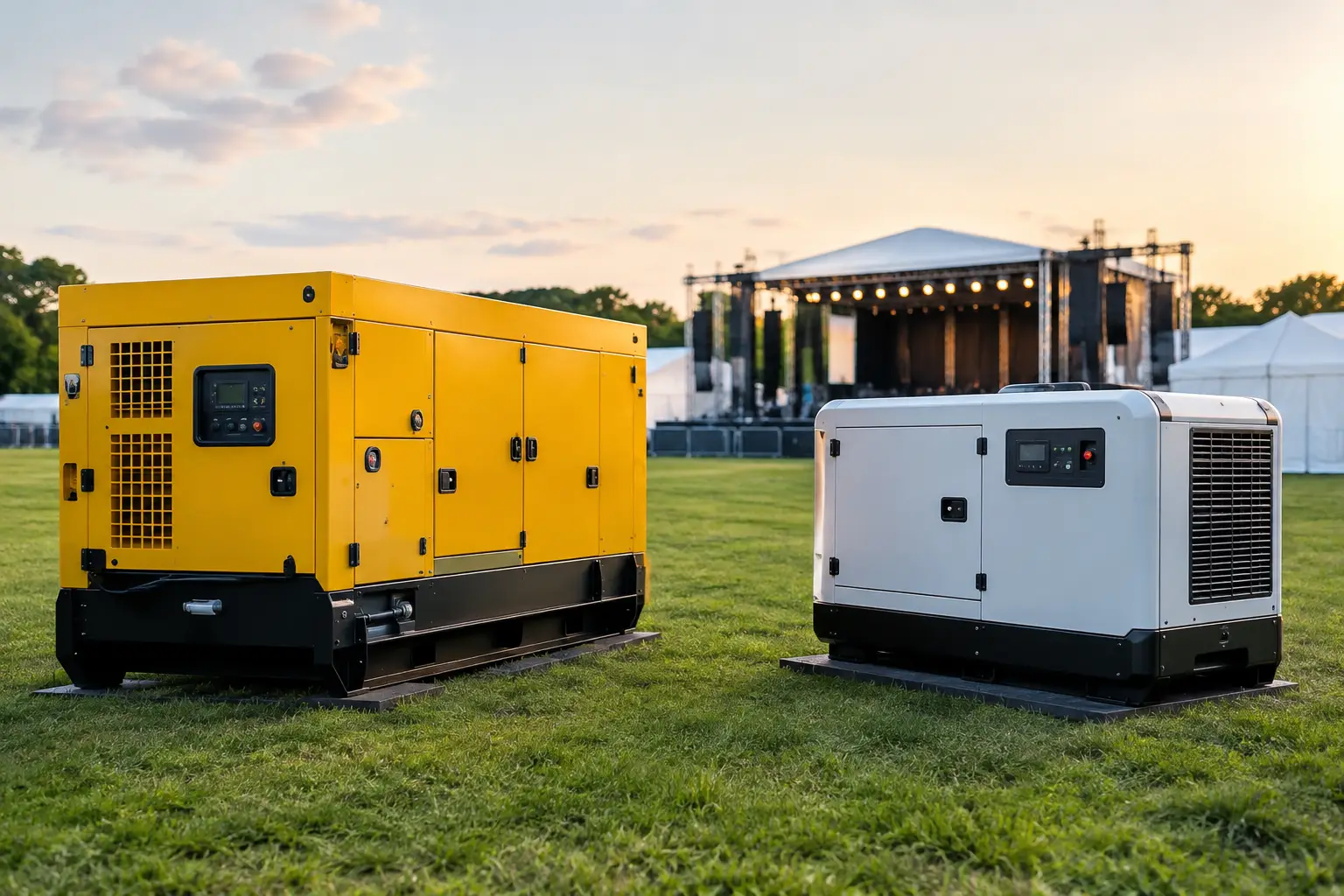
For a wedding reception, the risk might be a dark dancefloor and a silent band. For a festival or public activation, it can mean a safety issue, a lost trading window and thousands of people waiting for an answer. The right approach is not simply hiring a generator. It is designing, installing and actively managing a complete power system that matches the site, programme and consequences of failure.
Event power starts with the real load
The generator size is only one part of the decision. Before any equipment is selected, the production team needs a clear picture of what will draw power, when it will draw it and where it sits across the site.
That starts with the obvious equipment: PA systems, lighting rigs, LED screens, stage backline, refrigeration and catering. Then come the loads that are often missed in early planning: site offices, charging stations, portable amenities, ticket scanners, coffee machines, security lighting, vendor stalls and equipment needed during bump-in and pack-down.
A proper load calculation accounts for both running load and start-up demand. Some equipment, particularly motors, refrigeration and certain catering appliances, can require a higher surge when starting. If the system is sized only around a rough list of wattages, a generator may appear adequate until several systems start at once.
Timing matters just as much as total demand. A corporate gala may need modest power during setup, then peak when the kitchen, AV, lighting and entertainment all come online. A music event may need stable, clean supply from soundcheck until the last note drops. A sporting event might spread its load over registration, timing systems, broadcast, field lighting and food vendors across a long day.
This is why an event brief should include equipment schedules, operating times, site plans and any venue supply information. More detail at the beginning means fewer assumptions on site.
Why one generator is not always the right answer
A single generator can be the right solution for a compact, low-risk event with a known load and short cable paths. It is not automatically the best solution for every job.
Larger or more complex sites often benefit from separating critical and non-critical loads. For example, stage audio, emergency lighting, production communications and control systems may need stronger protection than decorative lighting or a non-essential activation. If a fault occurs on one circuit, good distribution design limits its impact instead of taking out the entire event.
There is also a practical case for multiple generators. Separate units can reduce long cable runs, support distant zones and provide contingency for critical areas. The trade-off is more equipment, more fuel planning and more coordination. The decision should follow the event’s actual operating requirements, not a one-size-fits-all package.
For high-profile programmes, live broadcast, major public events or performances with no tolerance for interruption, backup capacity deserves serious attention. Backup may mean a standby generator, a second supply path, UPS protection for sensitive control equipment, or a combination of all three. The right level depends on the cost of downtime. Five seconds of interruption at a private celebration is frustrating. Five seconds during a keynote, headline act or televised presentation can be a much bigger issue.
Distribution is where event power becomes dependable
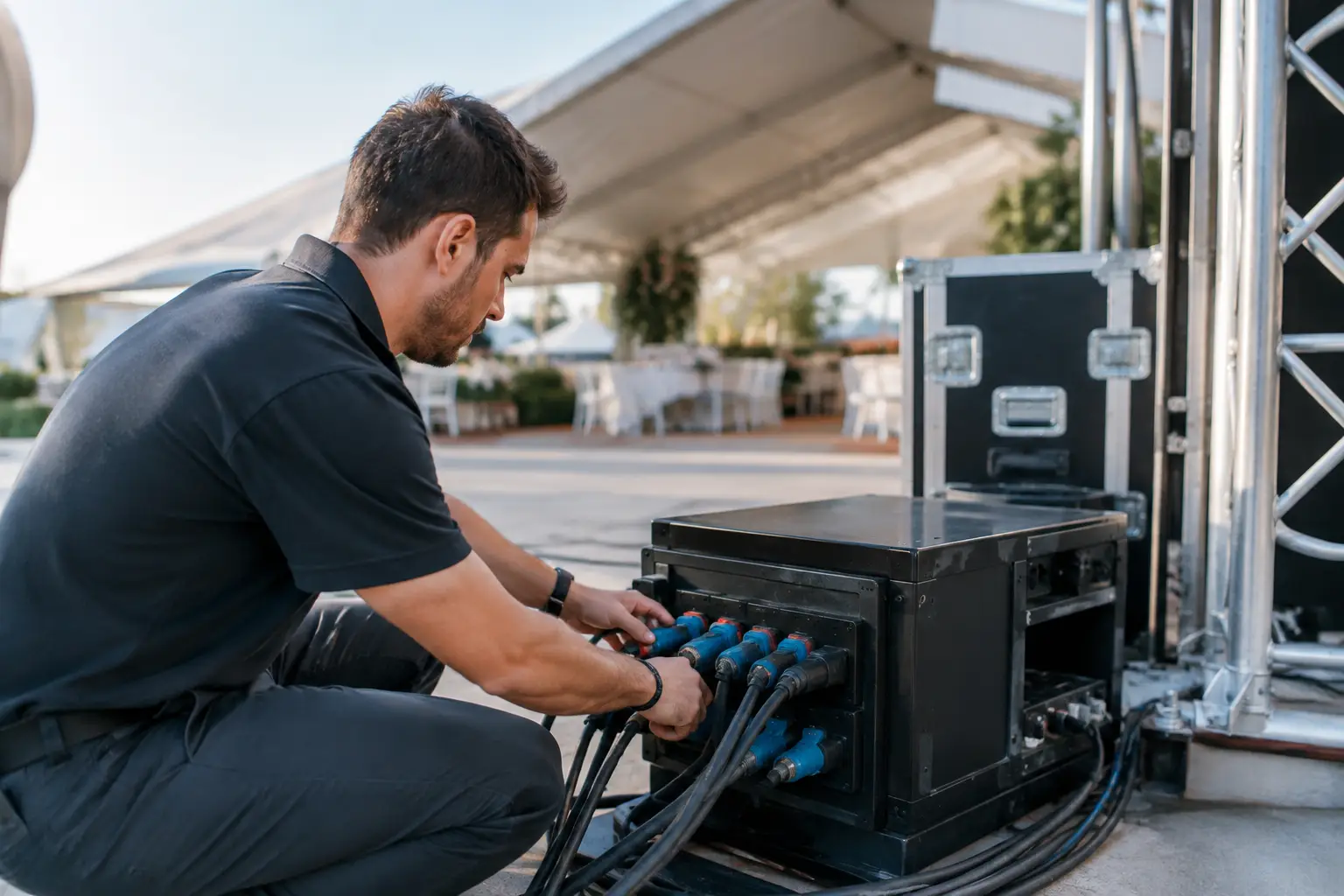
Power needs to arrive at every point safely, in the right format and with the right level of protection. That is the job of distribution boards, tested cabling, circuit protection, earth systems and trained installation crews.
A generator parked at the edge of a site does not solve the challenge of powering a stage 120 metres away, a bar on the opposite side of the marquee and vendors along a footpath. Cable routes need to be planned around pedestrian movement, vehicle access, emergency egress, wet-weather exposure and the visual finish of the event.
Cables crossing public areas need appropriate protection. Distribution equipment must be positioned where it is accessible to technicians but protected from guests and unauthorised use. Circuits should be labelled clearly so faults can be traced quickly, and electrical leads should never become an improvised trip hazard dressed with gaffer tape.
This is also where dry hire can create unnecessary risk. Equipment may be technically capable, but the event still needs someone who understands the system, checks connections, monitors changes and responds when a supplier arrives with an unplanned load. A caterer plugging in an extra appliance or an exhibitor adding heaters can change the power picture quickly.
Build the power plan around the site
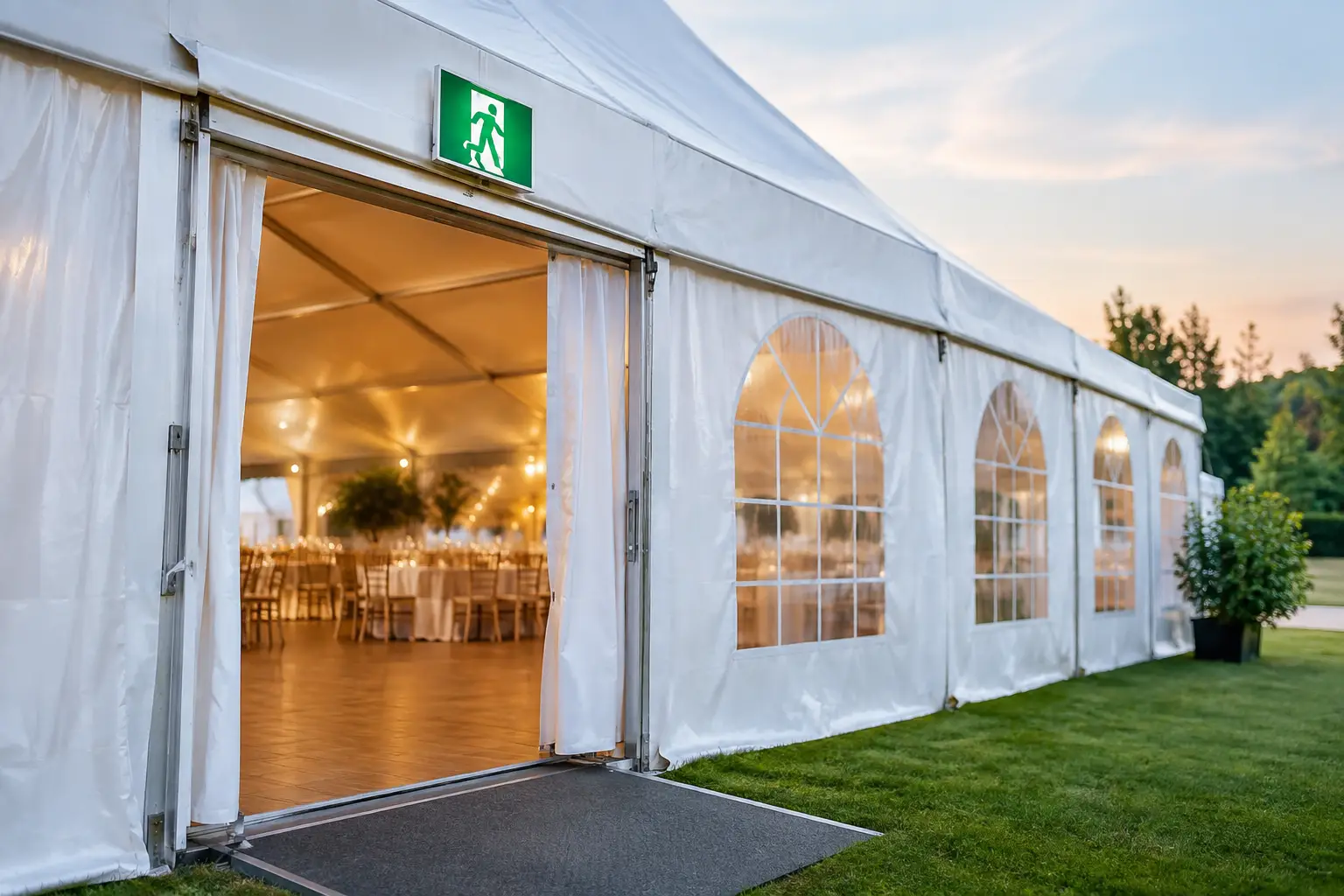
Every site has its own constraints. A Melbourne warehouse venue may have existing mains supply but limited capacity in the room where production needs it. An outdoor park may have no usable site power at all. A heritage venue can have restricted access and tightly controlled cable routes. A marquee on open ground introduces weather, lighting, distribution and generator placement challenges at the same time.
Generator location should consider noise, exhaust direction, refuelling access, security and distance from guests. It must also allow safe operation without blocking emergency access or disrupting neighbouring properties. Quiet-running equipment and sensible placement make a real difference at weddings, gala dinners and residential sites, but low noise should never come at the cost of ventilation or safe access.
Ground conditions matter too. Wet grass, uneven terrain and vehicle movement affect where equipment can sit and how cables can be protected. A site inspection can identify these issues while there is still time to solve them properly, rather than making compromises during bump-in.
Compliance paperwork is part of the production
For public events, councils, venues, insurers and site managers may require documentation before equipment is permitted on site. Depending on the event, this can include electrical test and tag records, safety documentation, site plans, risk assessments, engineering information for structures and evidence of qualified personnel.
The paperwork is not separate from delivery. It confirms that the installed system has been considered in the context of the whole event. A power layout affects emergency pathways, structural locations, temporary fencing, vendor placement and crowd movement. When suppliers work independently, those details can be missed between scopes.
One accountable production partner can coordinate staging, marquees, AV, lighting and power as one site plan. That prevents the familiar late-stage clash: a generator cannot access its position because a structure is already in place, or a lighting tower has landed where the cable route needs to run.
On-site support protects the run sheet
The best event power plans include room for reality. Schedules move, weather changes, performers bring additional equipment and clients make last-minute programme changes. A system needs a capable crew behind it, not just equipment dropped at the loading dock.
During operation, technicians can monitor supply, manage fuel, respond to faults and make controlled changes where possible. They also know the installation well enough to isolate an issue without guesswork. That accountability matters most when the room is full and every minute is visible.
At Zero Three Event Hire, that means power is scoped alongside the rest of the production package, with crews who understand how the stage, sound, lighting, structures and site operations interact. The goal is straightforward: one team owns the details from the first calculation through to final pack-down.
Ask these questions before approving event power
Before signing off on a power plan, establish who has calculated the load, what equipment is included, how critical circuits are protected and what happens if the primary supply fails. Confirm generator locations, cable routes, fuel arrangements, operating hours, noise controls and access requirements.
Also ask who is responsible once guests arrive. If an issue occurs at 9 pm, a quote and a delivery docket will not fix it. You need a named team with the authority and technical capability to act.
The best event power system is rarely noticed. The room stays bright, the sound stays clean, food service keeps moving and the programme runs exactly as it should. That quiet reliability is not luck. It is the result of planning the unseen work with the same care as everything guests came to see.