A stage can be engineered, the generator can be sized correctly and every cable can be ready to run – but none of it matters if the truck cannot get to the build area on time. Understanding how event site access planning works is what separates a controlled event build from a costly scramble at the gate.
For a wedding on a private property, that might mean checking whether a semi-trailer can turn off a narrow country road. For a Melbourne CBD corporate function, it can mean securing a loading-dock window before the building closes it to suppliers. For a festival, it means keeping production vehicles, artists, food vendors, emergency services and public arrivals moving without crossing paths.
Access is not a logistics footnote. It is part of the event infrastructure plan. Get it right early and crews can build safely, systems can be tested properly and the site is ready when guests arrive. Get it wrong and every department inherits the delay.
How event site access planning protects your run sheet
Event access planning defines who can enter the site, where they enter, when they arrive, what they are carrying and how they leave. It covers vehicle routes, pedestrian movement, loading zones, gate control, parking, permits, emergency access and the sequence in which suppliers build and pack down.
The aim is not simply to fit more vehicles through a gate. It is to create enough space and time for each job to happen without compromising safety or blocking the next critical task. A lighting crew cannot focus and test a rig while forklifts are still moving beneath it. A caterer cannot set up efficiently if their vehicle is trapped behind a staging delivery. Guests should never be directed through an active production loading zone because the public entrance was not planned separately.
The exact plan depends on the venue, attendance, infrastructure scope and available build time. A 100-person reception may need one clear delivery route and a designated bump-out time. A public event for several thousand people needs controlled entry points, traffic management, accredited traffic controllers where required, separated work zones and a documented emergency route that remains clear from first vehicle in to final pack-down.
Start with a real site assessment
A map is useful, but it is not a site inspection. Site access needs to be checked against the vehicles and equipment actually required for the event. Measure gate widths, laneways, bridge clearances, overhead branches, turning circles, gradients and ground conditions. Confirm whether a rigid truck, semi-trailer, crane truck, forklift or ute can reach the unloading point without damage to the site or a dangerous reverse manoeuvre.
Ground conditions matter more than many organisers expect. Wet grass, soft soil and uneven paddocks can stop heavy vehicles before they reach a marquee location or stage footprint. In these cases, the answer may be ground protection, an alternate route, smaller delivery vehicles, a shuttle arrangement or a revised infrastructure position. Each option has a cost and timing implication, which is why it is better resolved during scoping rather than while a truck is waiting at the gate.
Also check what happens after dark. If the build or pack-down runs into the evening, crews need safe work lighting, clearly marked routes and enough visibility to reverse, unload and secure equipment. The same applies to temporary sites where existing signage is limited or non-existent.
Build the access plan around the build sequence
The most efficient vehicle route is not always the best event route. Build order should drive access decisions.
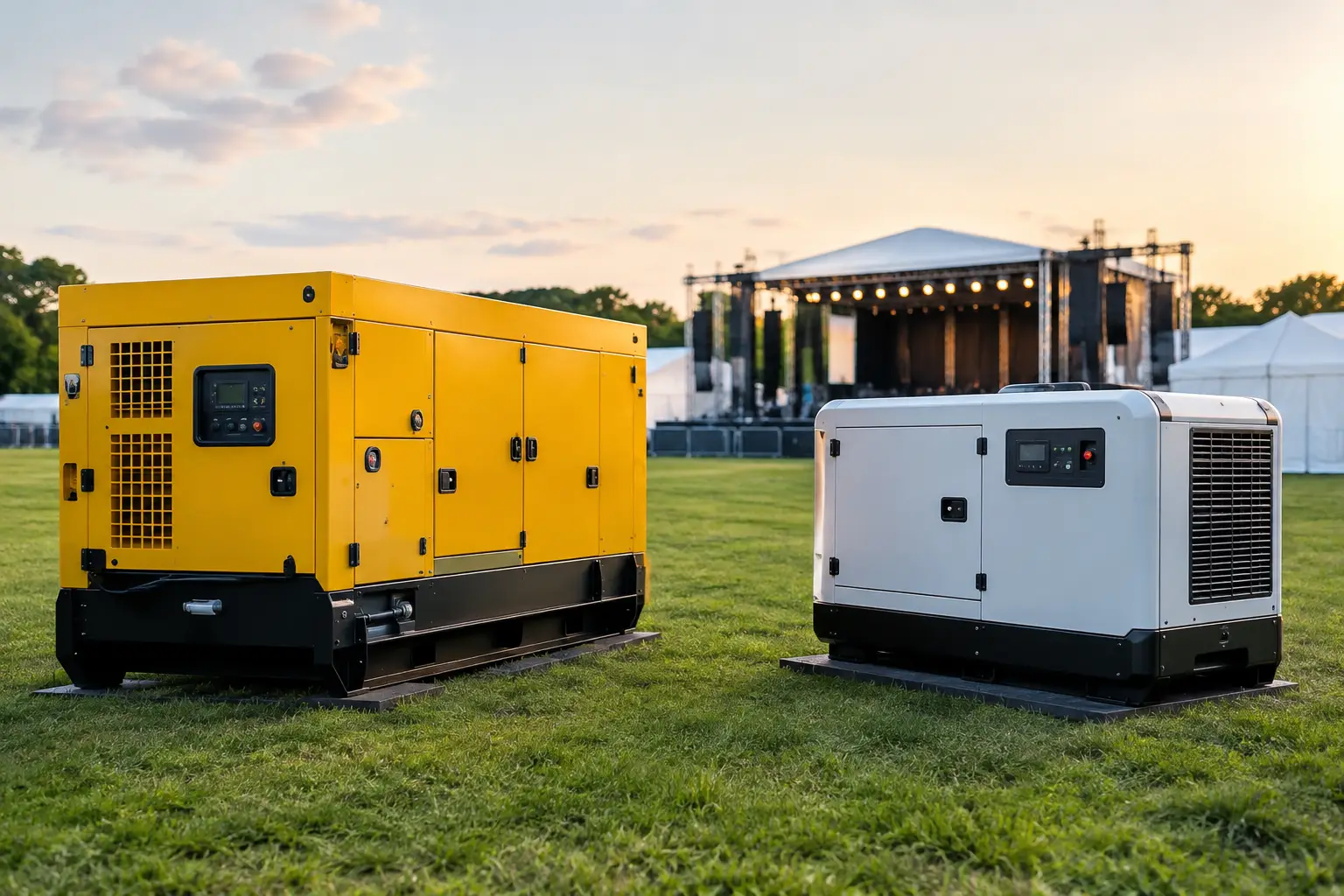
Structural infrastructure usually comes first. Staging, clearspan marquees, roof systems, ballast, flooring and power generation need space to arrive, unload and be positioned. Next comes the distribution layer: cable paths, lighting, AV, furniture, signage and specialist suppliers. Decorative elements, catering and final styling are generally later arrivals because they rely on the core site being stable and safe.
This sequence should be reflected in a delivery schedule with booked arrival windows, named contacts and a clear instruction for each supplier. Avoid the vague instruction to arrive ‘from 8 am’. When five suppliers interpret that as arriving at 8 am, the first hour becomes a queue, not a build.
A practical schedule identifies the vehicle type, driver contact, access gate, unloading location, time on site and departure route. It should also nominate who has authority to change the order when a supplier is late or weather disrupts the plan. That person needs to understand the wider production dependencies, not just vehicle movements.
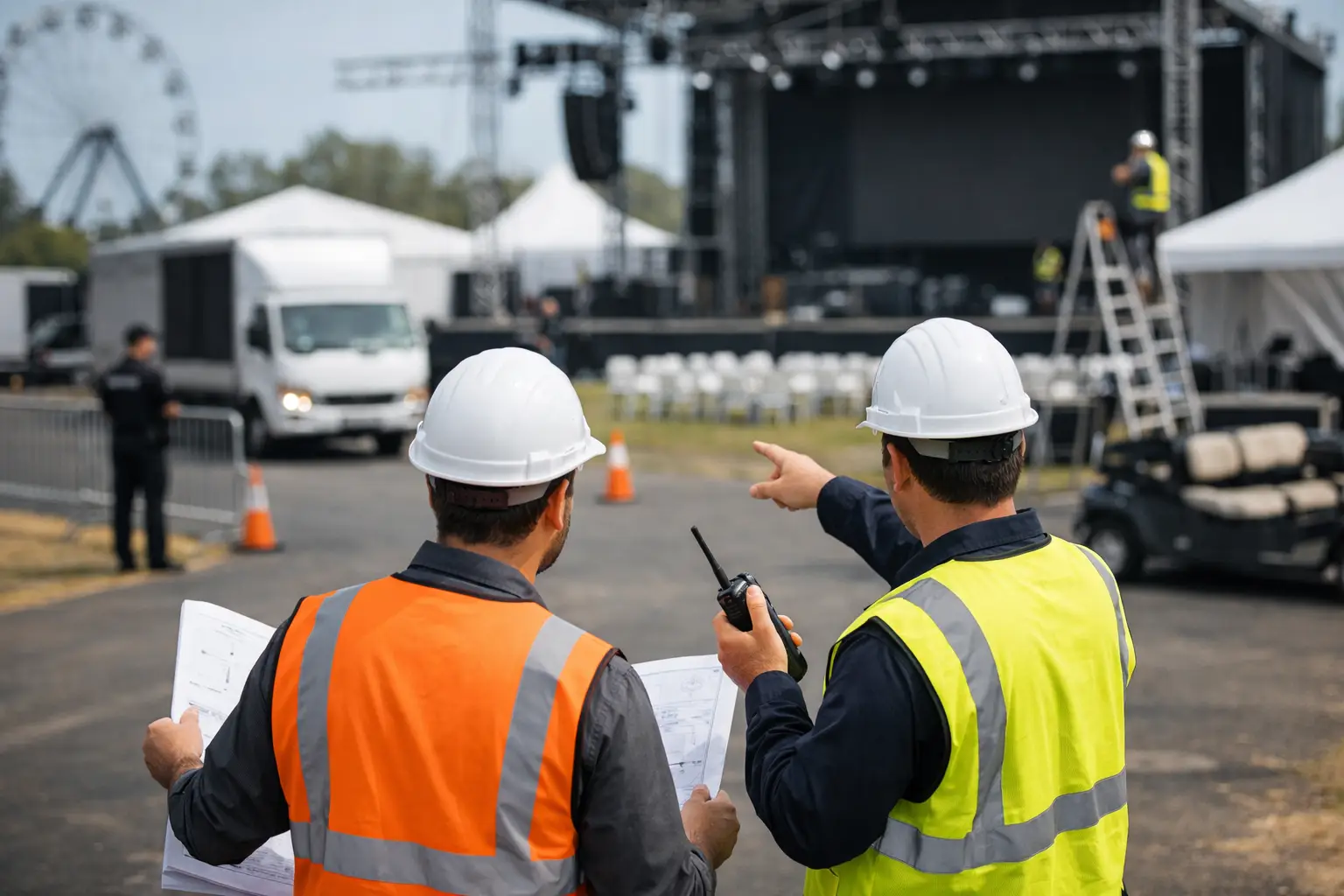
For complex events, an on-site production coordinator is worth its weight in saved time. They can hold a vehicle outside the site, redirect it to an alternate gate or adjust the work area without leaving drivers, venue staff and contractors to make conflicting decisions over the phone.
Keep public, crew and emergency movement separate
Every access plan needs three distinct movement priorities: production, public and emergency services. They can share space at different times, but they should not compete for it at the same moment.
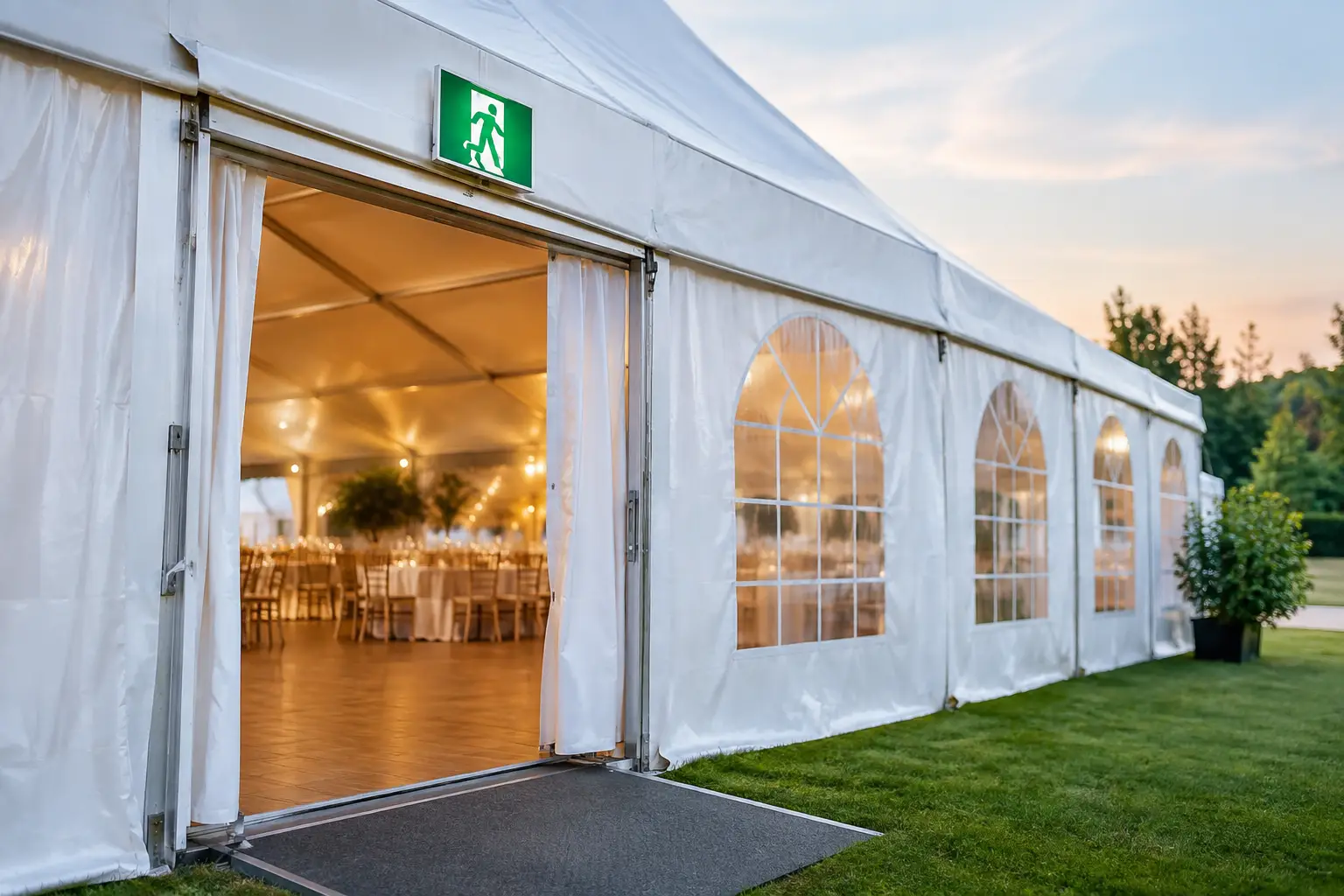
Production access needs room for delivery vehicles, plant and crew movement. Public access needs clear, intuitive paths from parking, public transport drop-off or the venue entry to the event. Emergency access must remain available throughout the event, not just on the approved site map.
That last point is where plans often fail. A route can be marked as an emergency lane during planning, then gradually fill with parked cars, empty pallets, cable cases or vendor vehicles during the build. Mark the route physically, brief every supplier and assign someone to inspect it before gates open. If the site changes during the event, check it again.
Where pedestrians and vehicles must cross, use controlled crossing points, barriers, signage and spotters as needed. Do not rely on people noticing a reversing truck in a busy environment. This is especially important at school events, sporting grounds and public activations, where families and children may be moving around the site before production is complete.
Confirm approvals, rules and neighbours early
Access planning is also a compliance exercise. Venues, councils, precinct managers, parks authorities and building managers may impose delivery times, vehicle limits, loading-dock rules, noise restrictions, road occupancy requirements or traffic-management conditions. Some sites require certificates of currency, inductions, engineering documentation or pre-approved contractor details before a crew can enter.
Build these requirements into the schedule, rather than treating them as paperwork to chase the day before. A valid permit is of little use if the permitted road closure begins after your generator delivery is due. Likewise, a loading dock booking means nothing if the truck exceeds its height limit.
Consider neighbours as well. Early-morning bump-ins, reversing alarms and generator positioning can affect nearby residents, businesses or hotel guests. Sometimes a small adjustment to vehicle timing or equipment placement protects the relationship and prevents a complaint becoming an operational problem.
Plan the last vehicle out before the first vehicle arrives
Pack-down access is regularly underestimated because everyone is focused on opening night. Yet pack-down can be slower, darker and more congested than the build. Equipment is no longer neatly staged, crews are working around waste removal and suppliers often want to leave at the same time.
Plan the exit order in advance. Heavy structures, generators and staging may need to remain accessible while smaller suppliers remove their items. Waste and recycling collection needs its own route and timing. If vehicles have to reverse in restricted areas, allow for spotters and do not rush the movement because the venue wants the site cleared.
A good partner plans access as part of the complete delivery, not as a separate transport problem. Zero Three Event Hire scopes the site, coordinates infrastructure movements and keeps technical crews accountable from brief to final pack-down, so the build can keep moving until the last note drops.
Before the first call time, walk the access route one more time with the people who will run it. Check the gates, signage, ground, emergency lane, loading zone and contacts. That ten-minute check can protect an entire run sheet – and give your crew the clear site they need to deliver a standing ovation.