A barrier line can look perfectly orderly at 2 pm, then become the point of failure when gates open, the headline act starts, or a weather change pushes everyone towards cover. Designing safe crowd barriers is not about putting fence panels around a site and hoping for the best. It is about controlling movement, protecting people from hazards and giving your operations team room to respond before pressure builds.
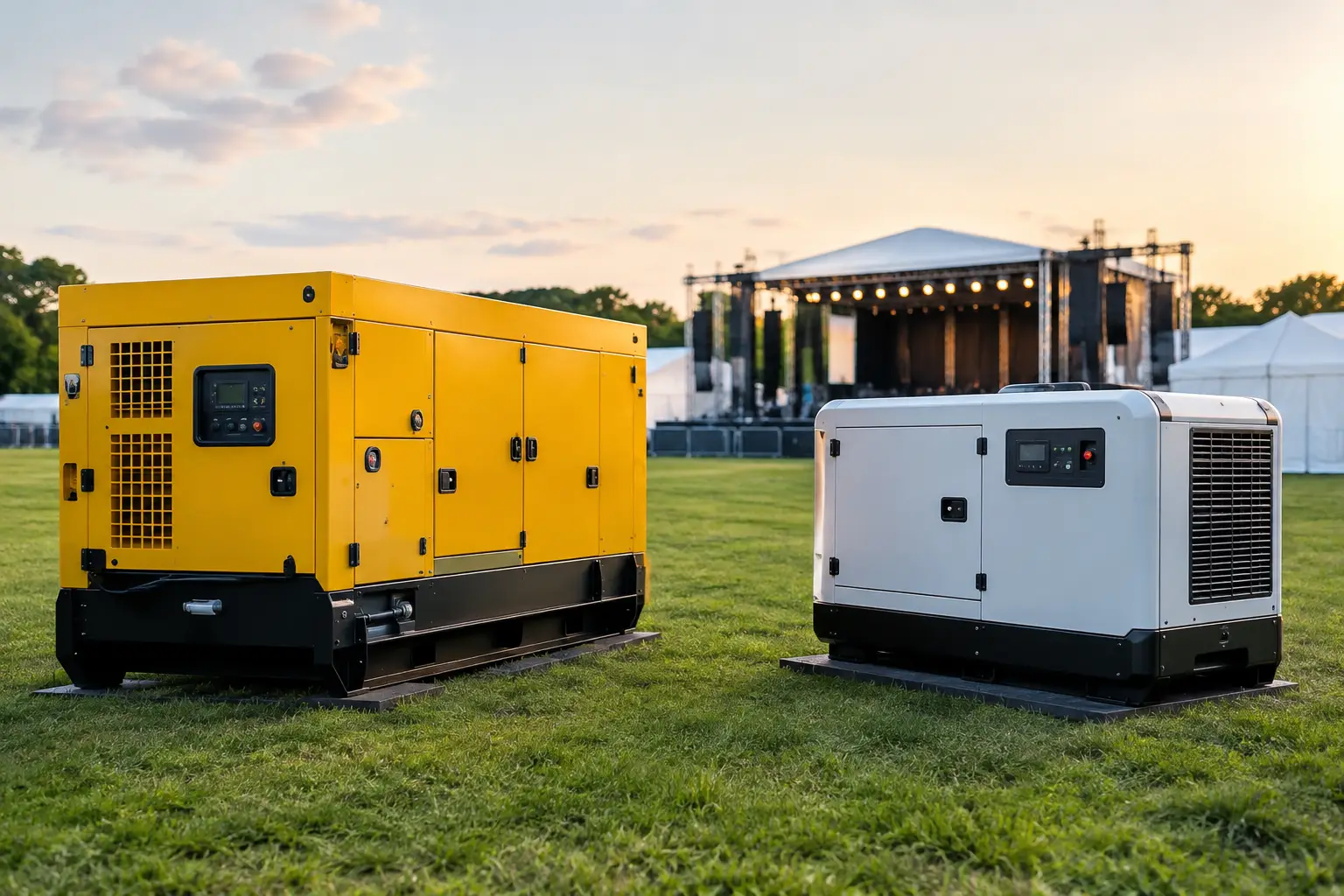
For a wedding, that may mean keeping guests clear of a generator and cable run without making the space feel industrial. For a festival or public activation, it can mean separating thousands of people from vehicle movements, stage infrastructure and restricted work areas. The principle is the same: barriers must suit the crowd behaviour you expect, not just the footprint you have available.
Start with how people will actually move
The strongest crowd plan begins before equipment is selected. Map the guest journey from arrival through to departure: parking or drop-off, ticketing, bag checks, entry, amenities, food and beverage, viewing areas, exits and transport home. Then identify where people are likely to pause, queue, cross paths or change direction quickly.
Crowds do not move like neat arrows on a site plan. People stop to find friends, turn around when they spot a shorter queue and cluster near shade, bars and popular viewing points. A barrier layout needs to account for those behaviours, particularly at transition points where a wide pedestrian area narrows into a gate, lane or corridor.
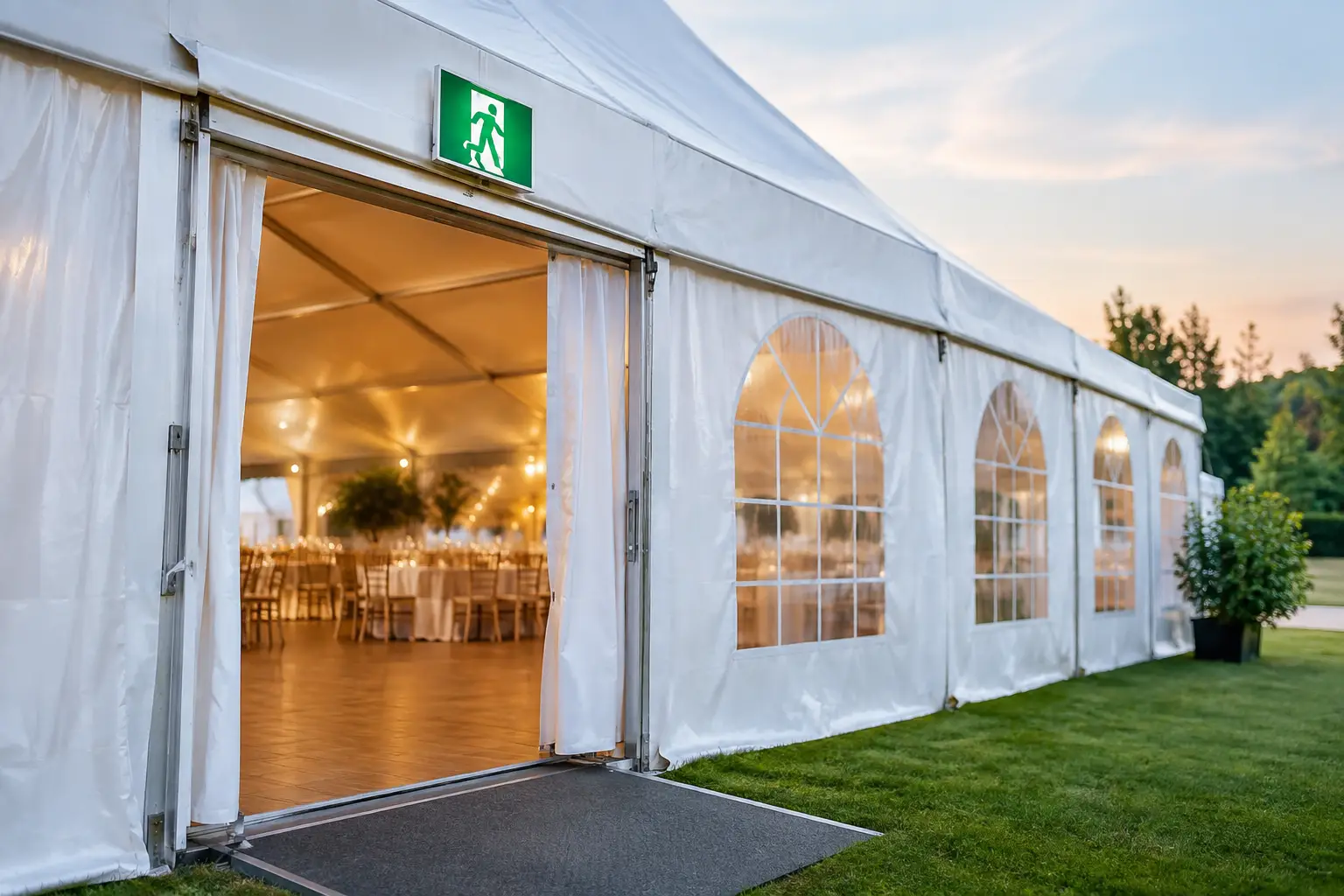
Ask practical questions early. What happens if 300 guests arrive within 20 minutes? Where does the queue sit if ticket scanning slows down? Can patrons leave an area without walking against incoming traffic? If rain arrives, will guests move towards a marquee entrance and block an emergency route? These scenarios shape a safer layout far more effectively than adding barriers at the last minute.
Choose barriers for the job, not the catalogue
Temporary fencing, pedestrian barriers, crowd-control rails, water-filled barriers and engineered stage-front systems all have different roles. Treating them as interchangeable is a common and costly mistake.
Temporary fencing is useful for defining a site perimeter, screening back-of-house areas and preventing casual access to plant, storage and production zones. It is not automatically the right answer for managing a dense crowd against a stage or controlling high-pressure entry points. The panel, foot, connection method, bracing and ground conditions all matter.
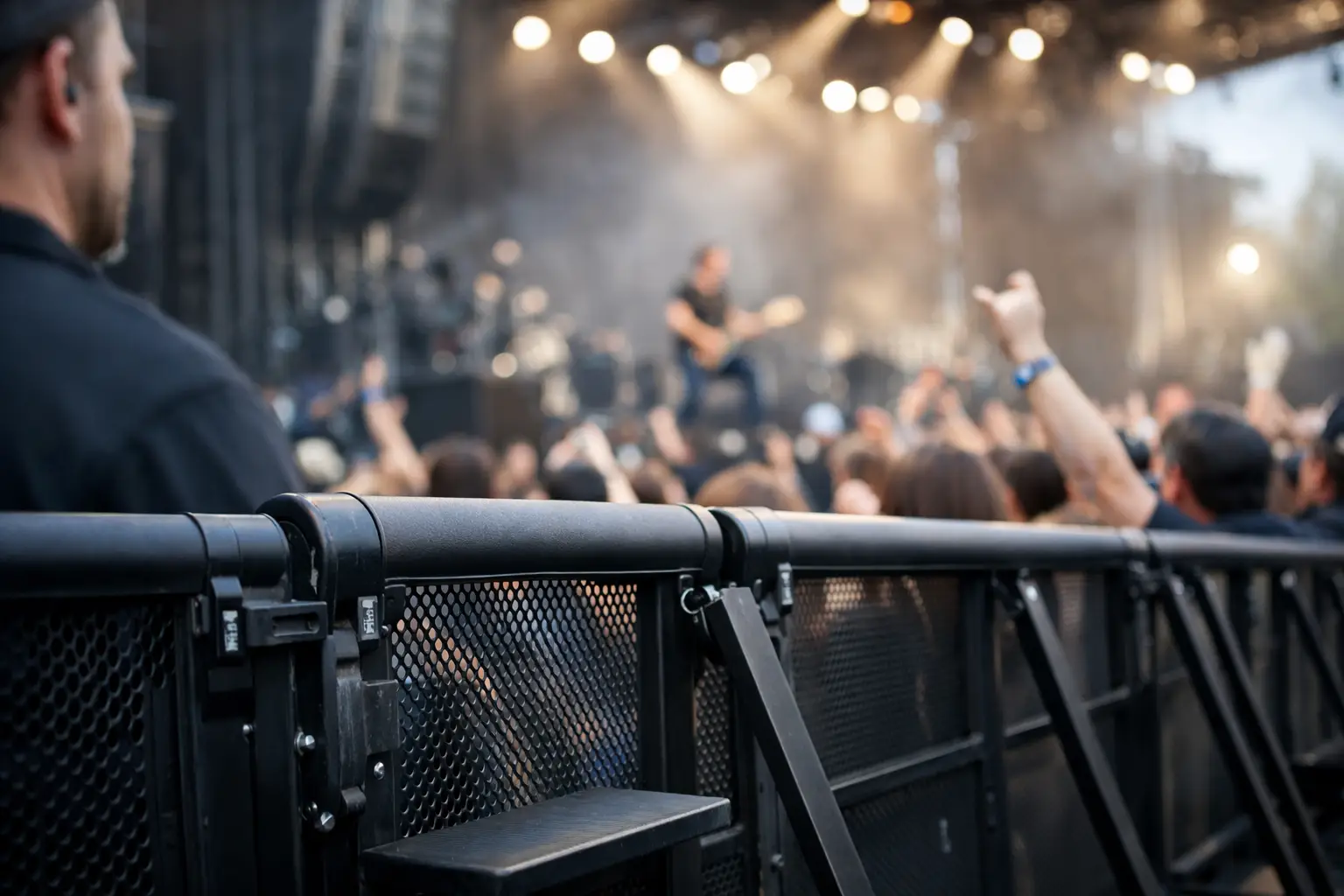
Pedestrian barriers and interlocking rails can create clear queue lanes and keep walkways open at lower-pressure locations. For concerts and high-energy public events, the front-of-stage line needs a purpose-built solution designed for crowd loading and installed as part of the stage and audience-management plan. It must also work with security positions, pit access, cable routes, speaker locations and emergency extraction procedures.
A barrier that is too light, poorly connected or set on uneven ground can shift when people lean on it. One that is overly solid or poorly placed can create a trap, restrict evacuation or block essential access. The right system depends on crowd density, anticipated behaviour, surface conditions, weather exposure and the consequences if a line fails.
Design for forces, not just footprints
People exert force in ways that are easy to underestimate. A queue can become a surge when gates open. A crowd can lean forward when an artist appears. Wind can load temporary fencing and signage. A vehicle can clip a perimeter line during bump-in if pedestrian and logistics routes overlap.
This is why barrier design needs to be coordinated with the entire site, including staging, marquees, generators, lighting towers, AV control positions and vehicle access. Where structures or crowd loads require it, engineering, certification and documented installation methods should be addressed before event day – not after equipment has arrived on site.
Keep emergency access visible and usable
An emergency route that exists only on a plan is not an emergency route. It needs to remain clear during peak attendance, be understood by staff and connect to a practical point of exit, treatment or vehicle access.
Avoid placing loose furniture, food vendors, promotional displays or queue overspill beside gates and access lanes. Barriers should guide guests away from restricted areas without hiding exits or creating dead ends. Gates need to be the right width and positioned for their intended use, whether that is public entry, crew access, emergency response or a controlled vehicle crossing.
Barrier layouts also need to accommodate people with mobility aids, prams and differing access needs. A site can be technically enclosed yet still frustrating or unsafe if guests are forced onto uneven ground, through tight turns or along long detours to reach amenities and viewing areas.
For larger events, the operational team should know who can open each gate, how barriers will be adjusted if conditions change and who has authority to stop entry. Clear radio communication between event control, security, production and medical teams is part of the barrier system. Hardware alone does not manage a crowd.
Plan the arrival peak and the final exit
The first hour and the final 20 minutes of an event are often the most demanding periods for crowd control. Arrival plans need sufficient space before ticketing and security, with lanes that do not spill into roads, car parks or public footpaths. If guests are likely to arrive in waves, use the site layout to hold and release them in a controlled sequence rather than allowing a single pressure point to form at the gate.
At the end of the night, people are tired, less patient and often moving towards rideshare, buses or car parks at once. Lighting, wayfinding and barrier lines should make the correct route obvious. Do not assume the entry arrangement will work in reverse. Exit movements often need wider paths, fewer checks and a clear separation from vehicles still loading out.
This is particularly relevant for Melbourne events where a venue may sit close to active roads, tram corridors or shared public areas. Your crowd barrier plan needs to protect patrons while respecting the site conditions beyond your event boundary.
Installation, inspection and live monitoring matter
A safe layout can be compromised by a rushed installation. Barrier feet must sit correctly, connections must be secured, gates must operate as planned and ballast or bracing must match the approved configuration. Cables, sandbags and ramps should not create trip hazards at the very points barriers are meant to protect.
Before gates open, walk the site with the people who will run it. Check sightlines at entrances, confirm emergency gates are accessible, test queue routes and inspect barrier lines for gaps, movement or sharp projections. Make sure event staff know which areas are public, restricted and production-only.
During the event, keep watching. Queue lengths change, crowd mood changes and weather changes. A line that needs adjustment should be dealt with by trained crew using an agreed process, not improvised by a volunteer in front of a growing crowd. Allow for spare panels, additional signage and the crew time required to make controlled changes.
One coordinated site plan prevents blind spots
Crowd barriers work best when the supplier installing them understands the full operational picture. A fencing-only provider may not see that a queue blocks a generator refuelling route, that a stage-wing gate conflicts with an artist access path, or that a marquee evacuation path is narrowed by a bar queue.
That is where an end-to-end production partner adds real value. At Zero Three Event Hire, barrier planning can be coordinated with staging, power, structures, lighting, access routes and on-site crew responsibilities, so the site functions as one controlled environment rather than a collection of separate hires.
The best barrier plan is rarely the most visible part of an event. Guests simply arrive, move easily, enjoy the show and leave safely. That quiet outcome comes from planning crowd movement early, installing the right equipment properly and having a capable team on site until the last note drops.