A venue can approve your date, your suppliers can be booked and the run sheet can be locked in – then bump-in stops because someone has asked for a certificate of currency. Knowing what event insurance certificates are needed before equipment arrives protects your schedule, your budget and the people attending your event.
For a private wedding in a venue with its own full-service team, the paperwork may be light. For a public event using a council reserve, temporary stage, marquee, generators and contracted crew, it can be far more involved. The key is to separate insurance evidence from the broader compliance pack. Both matter, but they are not the same thing.
What event insurance certificates are needed?
The certificate most commonly requested in Australia is a public liability certificate of currency. This document confirms that an organiser, supplier or contractor has current public liability cover. It is designed to respond if their work causes injury to a third party or damage to third-party property.
Venues, councils, landowners and major clients will commonly ask to see it before they permit an event to proceed. They may set a minimum cover amount, often $20 million for public events or council land, although the required limit depends on the site, attendance, activities and contract. Never assume one level is acceptable everywhere – check the event agreement.
A certificate of currency should clearly show the insured entity’s legal name, the insurer, policy number, period of cover and liability limit. If the name on the certificate does not match the business named in the contract or quote, it can cause an avoidable delay. Ask for corrected documentation early rather than trying to resolve it at the gate.
Public liability: organiser, venue and supplier cover
Public liability is not a single certificate that covers every person involved. The event organiser needs cover for their own operations, while individual suppliers need cover for the services and equipment they provide.
If a production supplier is installing a stage, structural roof, lighting truss or temporary power distribution, their public liability certificate should relate to their business and work. It does not replace the organiser’s duty to manage the event itself, including crowd movement, security, food vendors, programming and the activities they have approved.
Likewise, the venue’s policy does not automatically extend to every external contractor. Read the hire agreement closely. Some venues require organisers to note the venue as an interested party or provide a specific wording on the certificate. That request must be sent to the insurer or broker with enough lead time.
Workers compensation certificates
If you employ staff, engage crew directly or use labour-hire arrangements, a venue or principal contractor may ask for evidence of workers compensation insurance. In Victoria, this is generally managed through WorkSafe Victoria for eligible employers.
This certificate is particularly relevant where there is a substantial bump-in and bump-out, work at height, vehicle movements, rigging, staging or electrical work. It helps demonstrate that the employer has the appropriate cover for its workers. It is not a substitute for a safe work method statement, induction process or competent supervision.
A professional event supplier should manage insurance for its own technicians and crew. If you are bringing in volunteers, performers or casual helpers, clarify who is directing their work and what cover applies. Assumptions around unpaid workers are a common weak point in event planning.
Product liability, professional indemnity and specialist cover
Product liability is often included within a public liability policy, but it is worth confirming where goods are sold, supplied or served. Food vendors, beverage operators, market stallholders and businesses providing products may be asked for public and product liability evidence as part of their vendor application.
Professional indemnity may be requested where advice, designs or professional services are central to the work. For example, an event may require engineers, designers or consultants to hold relevant professional cover. This is less likely to be a blanket requirement for every supplier, but it can matter for complex structures, technical design and specialist advice.
Depending on the event, you may also need to check cover for hired equipment, property in care, custody or control, motor vehicles, marine activity, fireworks, amusement devices, drones, alcohol service or cancellation. These are policy and activity questions, not certificates to collect by default. The right answer depends on what is actually happening on site.
Certificates are only one part of the compliance pack
An insurance certificate proves a policy is current. It does not prove a temporary structure is engineered, an electrical installation is compliant or a site has been planned safely.
For an event with infrastructure, the venue, council or event manager may also request documents such as risk assessments, site plans, emergency management plans, traffic management plans, electrical test and tag records, electrical compliance documentation, engineering certificates and structural drawings. Requirements change with the event footprint, site conditions and public access.
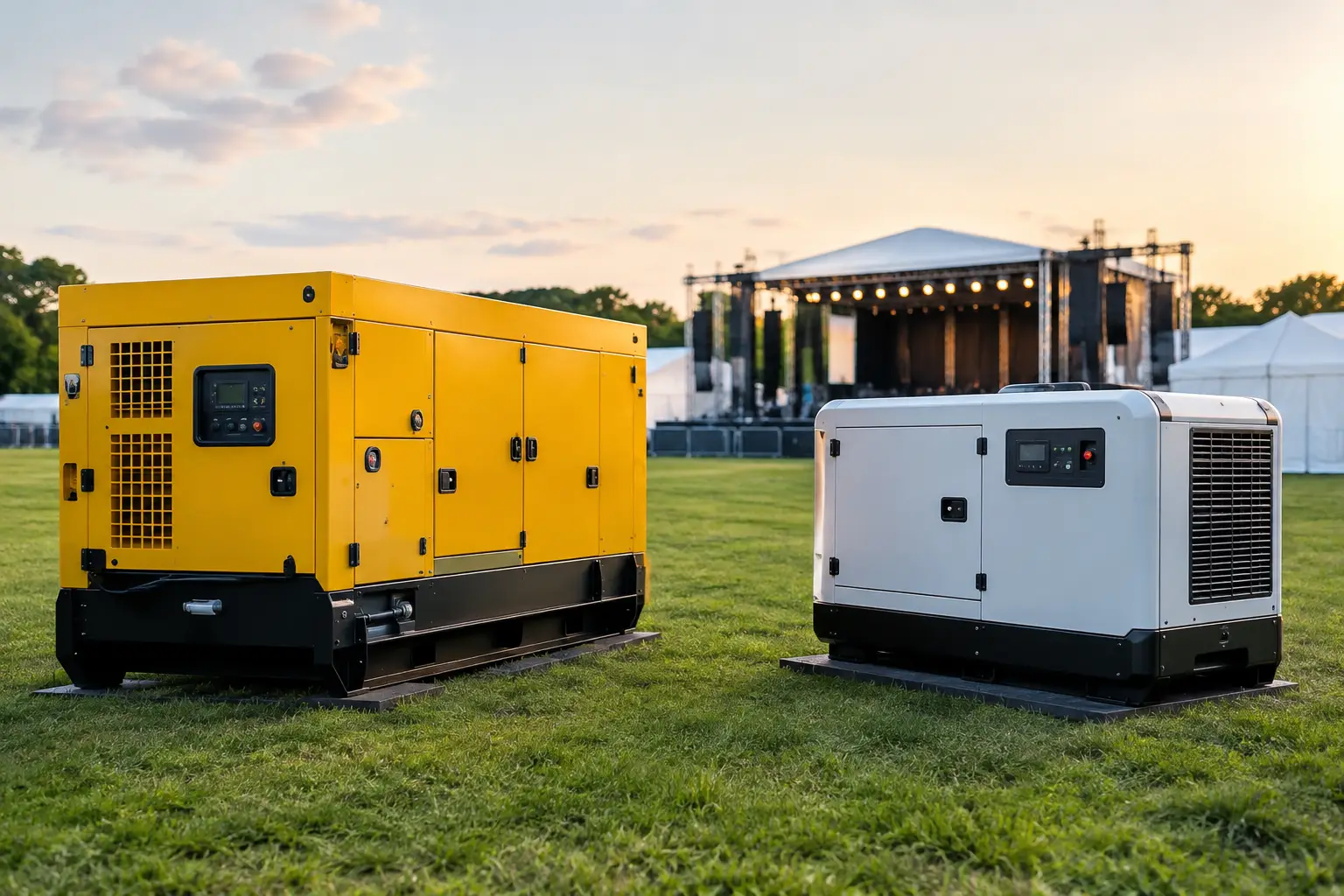
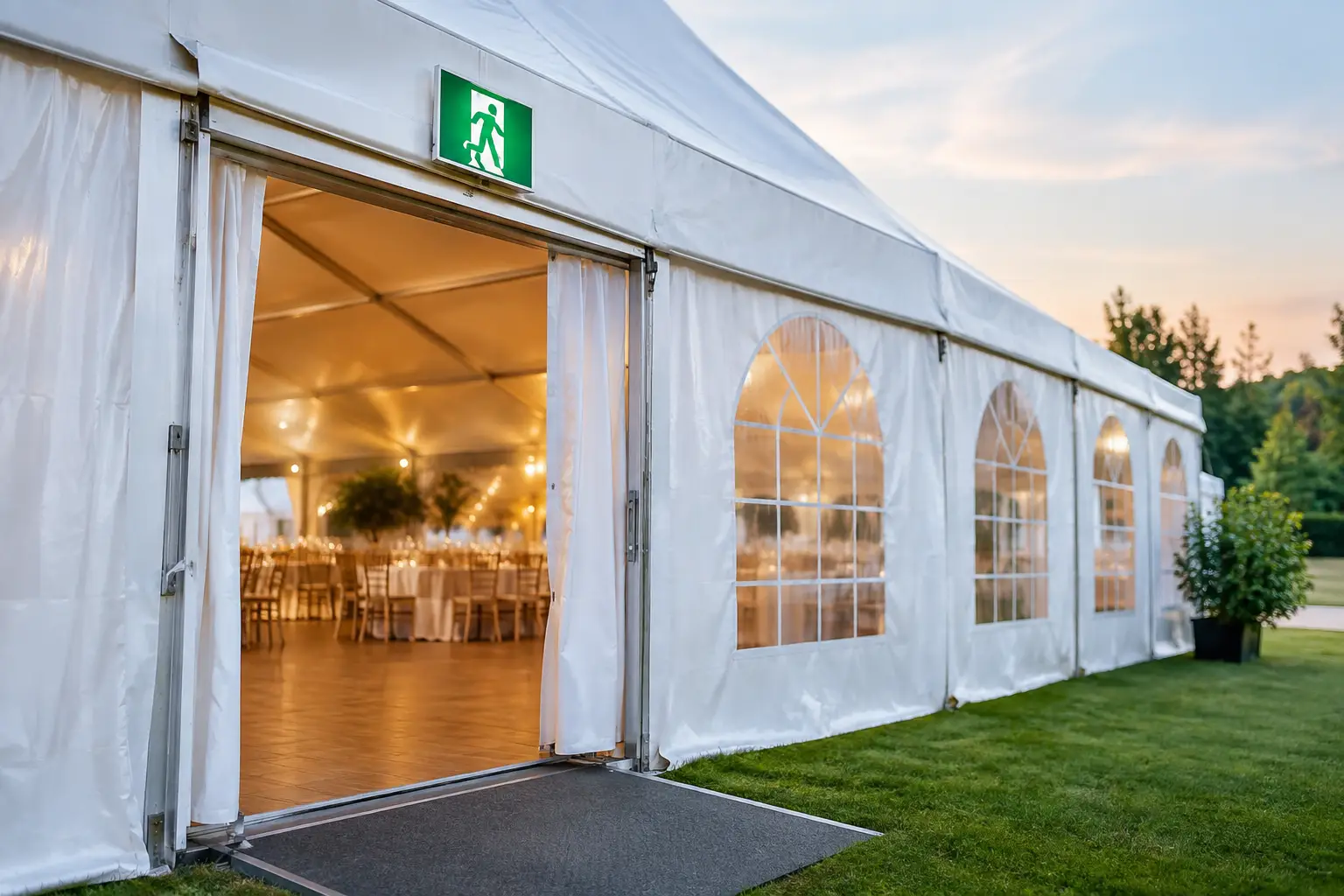
A stage may need engineering documentation. A marquee may need structural certification and wind-rating information. Generators and temporary power require load planning, safe distribution and the right protection systems. These details are not paperwork for paperwork’s sake. They show that the event can operate safely when weather shifts, access becomes congested or the programme runs late.
For public-facing events, councils may require permits and supporting documentation well ahead of the event date. Do not wait until the final week to ask what is required. Insurance certificates can often be issued quickly; technical documents may require a proper site assessment, engineered design or revised installation plan.
Build a document register before you confirm suppliers
The cleanest approach is to make one document register for the event. List every organisation that will work on site, what they are providing, their contact person, the insurance evidence required and the date it must be received. Include the venue, security provider, caterers, entertainment, production contractor, cleaners, rides or activation providers, and any specialist contractor.
For each certificate, check four things: the business name, cover type, policy expiry date and required limit. Then check it against the event date, including bump-in and pack-down. A policy that expires the day before your event is not enough, even if the supplier was insured when they sent the quote.
Keep approved documents in a shared event folder and have the current versions available on site. Your production manager, venue contact and event lead should know where they are. A mobile phone folder is useful, but a controlled master copy prevents old certificates being passed around after a policy has been renewed.
Questions to ask your venue or council early
Before paying final balances or publishing public event details, ask the site owner what insurance certificates they require, the minimum liability limit, whether any interested-party wording is needed and the deadline for submission. Also ask whether they require certificates from every supplier or only the organiser and higher-risk contractors.
If alcohol, temporary structures, amplified sound, food stalls, public roads, children’s activities or a large crowd are involved, ask about permits and supporting compliance documents at the same time. A clear written response gives every supplier a defined target and avoids conflicting instructions later.
Be wary of suppliers who respond to a certificate request with only an invoice, an expired policy schedule or a generic statement that they are insured. A current certificate of currency is the evidence most venues and councils expect. If the work is specialist, ask what additional engineering, electrical or safety documents will be supplied with it.
Put accountability with the people doing the work
The practical question is not simply which documents exist. It is who owns each risk, who supplies the evidence and who is available if conditions change on the day.
When staging, power, AV, lighting and structures are split across separate dry-hire providers, the organiser can end up chasing certificates, drawings and technical answers from multiple directions. A full-service production partner reduces that fragmentation by supplying the equipment, crew and compliance documentation for its own scope under one accountable team.
Zero Three Event Hire plans that scope from the initial brief – from power-load calculations and structural requirements through to installation, live operation and pack-down. That means insurance certificates are handled as part of the wider delivery plan, not discovered when the ute is already at the loading dock.
Start the document conversation as soon as the site is chosen. The right certificates will help get you through the approval process, but the real outcome is an event where the infrastructure, the paperwork and the people running it are ready long before the first guest arrives.