A beautiful site can become a production problem quickly. A booked venue can have tight bump-in windows, fixed rigging points and a strict noise curfew. An open paddock or courtyard can offer total freedom, but only once it has safe power, weather protection, access, flooring and the right approvals. That is the real question behind marquee versus venue hire: not which option looks better, but which one gives your event the control it needs to run properly.
For weddings, corporate functions, festivals and public events, the answer depends on guest numbers, site conditions, schedule, presentation standards and how much technical production is required. The right choice is the one that protects the experience from the first arrival to the final pack-down.
Marquee versus venue hire: start with event control
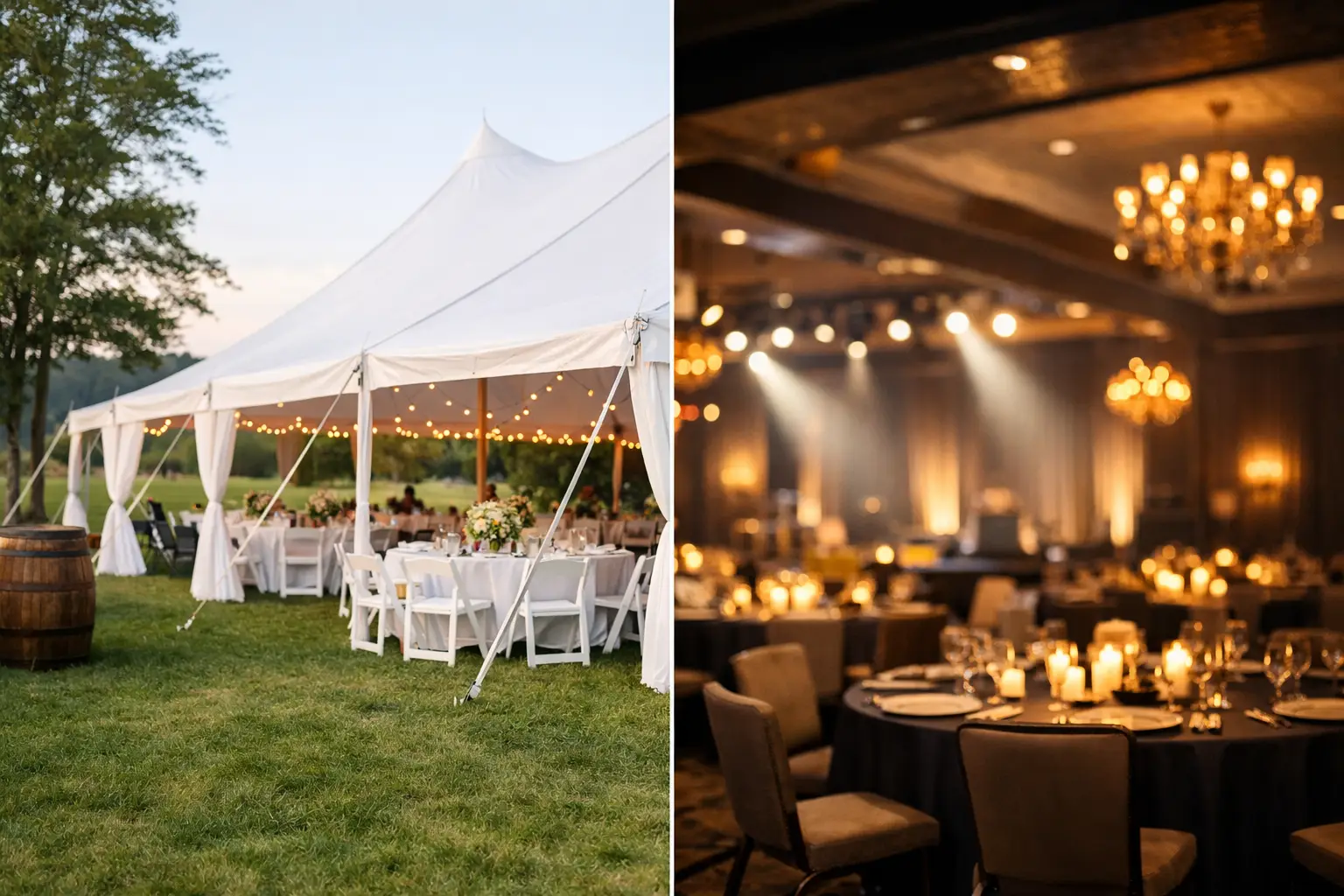
A venue is a ready-made setting. It generally provides a building, amenities, existing lighting, a kitchen or catering area, parking arrangements and some degree of weather protection. For a straightforward dinner, presentation or celebration, that can reduce the number of moving parts.
A marquee creates a purpose-built event space. It can turn a private property, sports ground, winery lawn, school oval, waterfront location or blank site into a guest-ready environment. You decide the footprint, room layout, entrance position, stage location, bar placement and how the space works across the day.
Neither is automatically simpler. A venue may look all-inclusive until you factor in compulsory suppliers, restricted access, limited power capacity, overtime charges and AV requirements. A marquee may appear more complex because it starts with an empty site, but that also means the entire infrastructure package can be designed around the event rather than squeezed into an existing room.
The key is accountability. If your event has staging, sound, lighting, generators, structural elements and compliance requirements, appointing one production partner to scope and manage those elements can remove the gaps between venue staff, equipment suppliers and separate contractors.
When venue hire is the practical option
Venue hire is often the sensible choice when your event is contained, the guest count suits the room and the venue genuinely supports the production brief. It is particularly useful for short-format corporate functions, smaller receptions, conferences and events where guests value a central location with established facilities.
A built venue can also simplify weather planning. Solid walls, fixed roofs, permanent toilets and commercial kitchens reduce the need for temporary infrastructure. If the event is held in the evening or during Melbourne’s colder months, this can be a major advantage.
However, check what is actually included. “In-house AV” might mean a screen, two speakers and a handheld microphone – enough for a basic speech, but not necessarily for a panel discussion, awards reveal, band or high-impact brand presentation. Ask about available three-phase power, loading dock access, ceiling height, rigging permissions, sound limits, curfews and crew access times before committing.
Venue restrictions can affect the event more than the room itself. A 90-minute bump-in will not suit a detailed lighting rig or a stage build. A fixed dancefloor may not suit a theatre-style conference. A venue that requires all food, beverages, furniture or production through nominated suppliers can narrow your options and make cost comparisons less transparent.
When a marquee gives you the better result
A marquee is the stronger option when the location is part of the experience. It allows a wedding reception under the stars on family property, a corporate dinner at a vineyard, a sporting presentation beside the field, or a festival hub built exactly where patrons need it.
The advantage is not just appearance. Clearspan marquees can create wide, unobstructed interiors with room for a stage, dancefloor, dining, backstage operations and guest circulation. You can size the structure for the actual program rather than accepting the dimensions of a function room. Side walls, clear roof sections, entry canopies and internal draping can shape the atmosphere while protecting guests from wind and rain.
This flexibility is valuable for events with changing needs. A daytime conference can become an evening awards night in the same footprint. A wedding can have a separate ceremony structure, reception marquee and covered catering area. A public activation can include branded entry points, queue management, first-aid space and operational zones without compromising the guest experience.
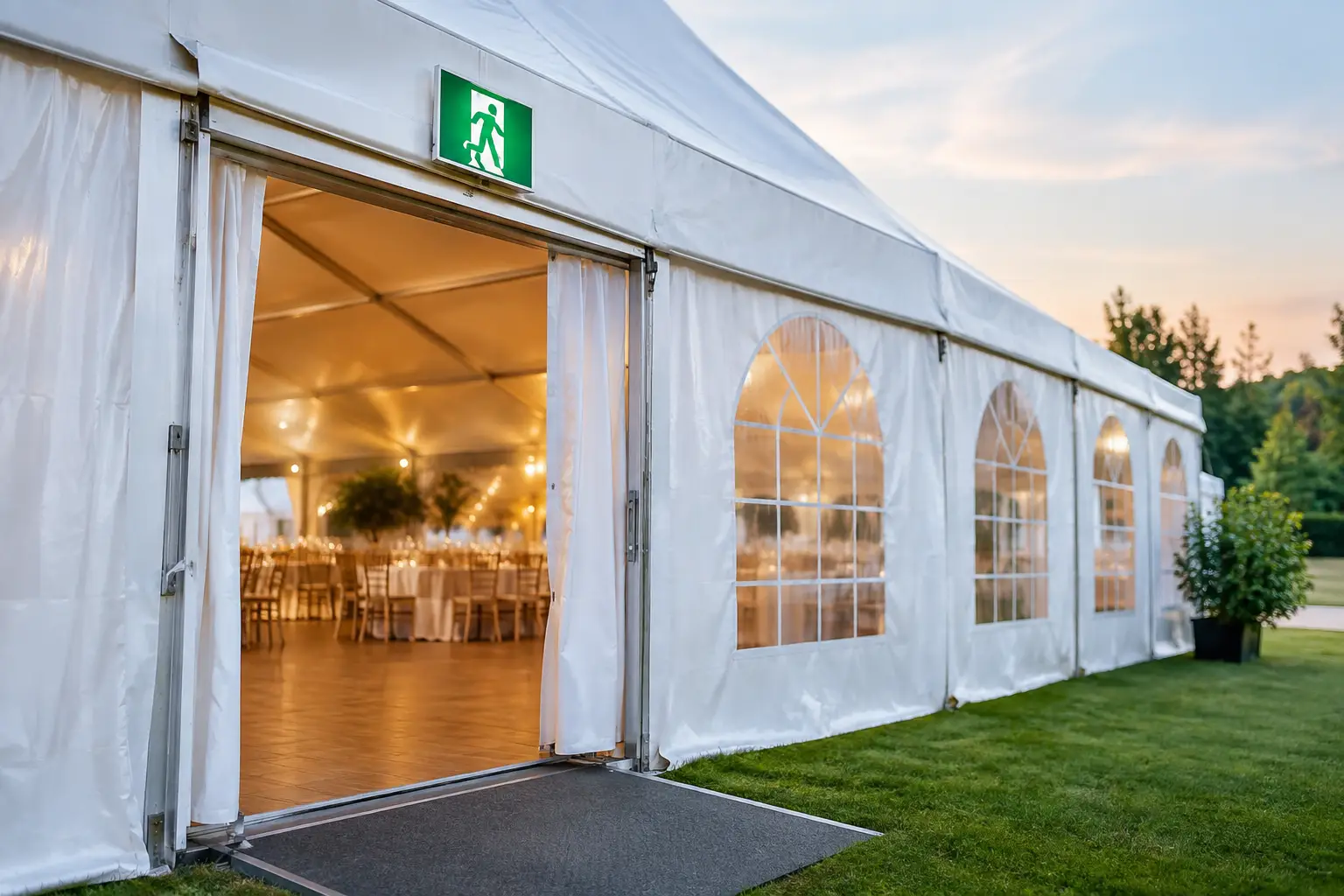
But a marquee is not simply a tent delivered to a site. It is temporary infrastructure. The ground needs assessment, access must work for trucks and crews, anchoring needs to suit the surface, and wind ratings, emergency exits, fire equipment, electrical distribution and structural documentation may all be relevant. For larger or public-facing events, these details belong in the planning stage, not the week before gates open.
Compare the full cost, not the first quote
The fairest marquee versus venue hire comparison is based on total delivered cost. A venue fee may include furniture, basic facilities and a weatherproof room, while a marquee quote may initially cover only the structure. On the other hand, a venue can add sizeable costs for production, additional hours, security, cleaning, supplier commissions and mandatory services.
For a marquee event, allow for flooring, lighting, power generation, distribution boards, toilets, furniture, heating or cooling, staging, AV, catering infrastructure, fencing, signage and crew. The exact requirement depends on the site and event format. A 120-person lunch with acoustic entertainment needs a very different package from a 1,000-person outdoor concert.
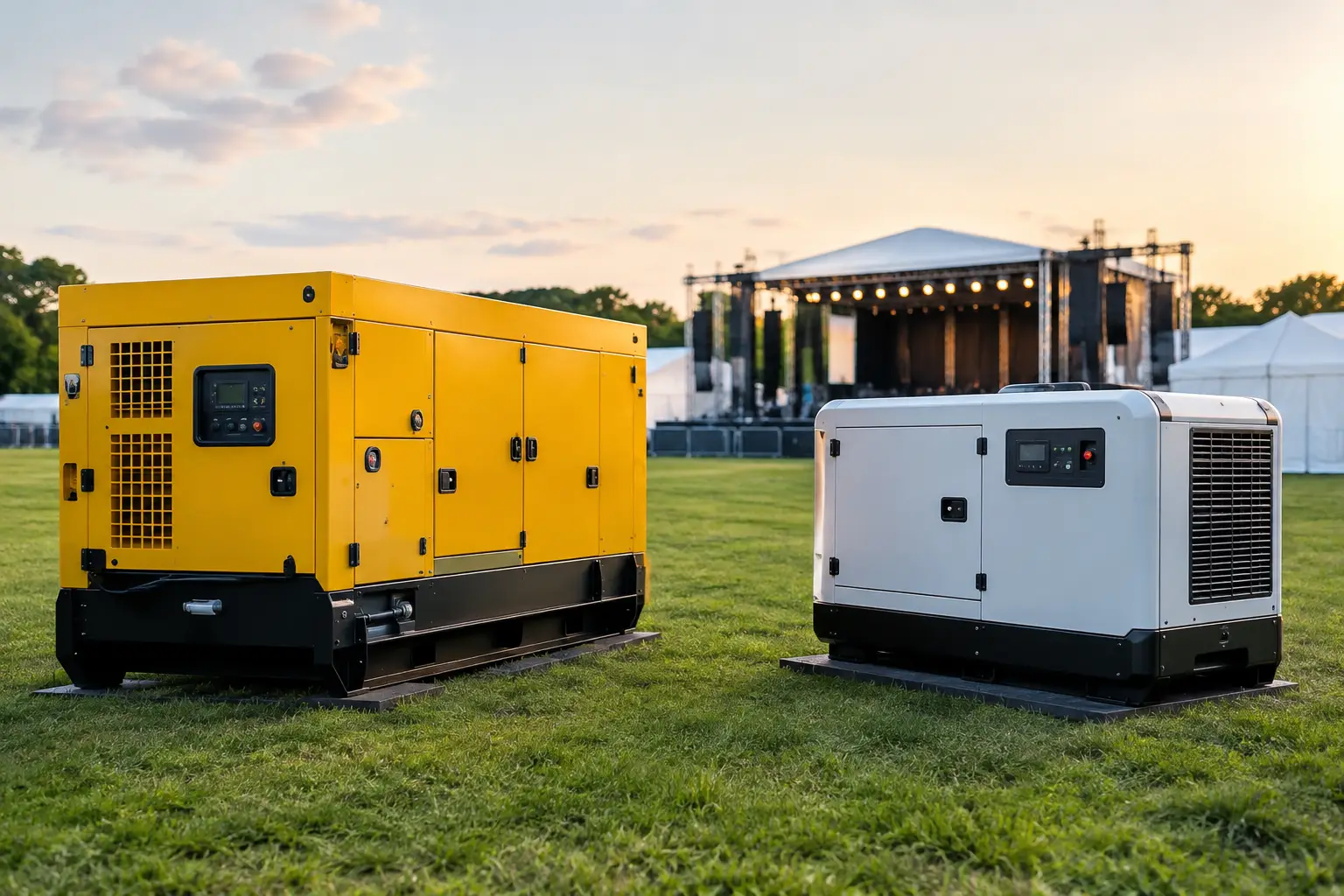
Power is where budgets can come unstuck. A marquee may need power for catering, refrigeration, bar equipment, lighting, audio, heating, charging stations and amenities. Guessing can lead to an undersized generator, tripped circuits or a costly last-minute upgrade. Proper load calculations and distribution planning ensure critical systems are separated and backup arrangements are considered where the risk warrants it.
A clear, itemised quote helps you see what is included: equipment, transport, installation, crew hours, engineering, operation and pack-down. It also makes it easier to compare proposals without assuming that two headline figures represent the same scope.
Weather, ground and access are non-negotiable
Venues protect guests from most weather conditions, but they are not immune to disruption. Heavy rain can affect parking and arrivals, high winds can complicate external signage, and heat can expose weak air-conditioning capacity. Ask how the venue handles these situations rather than relying on a standard function package.
With a marquee, weather management is engineered into the build. The structure must be appropriate for the forecast conditions and site, with properly installed side walls, secure anchoring, drainage awareness and safe access routes. Flooring can be essential on soft ground, uneven surfaces or high-heel events. It improves presentation, protects turf where required and stops a wet patch at the entrance becoming the detail guests remember.
Access deserves equal attention. Can trucks reach the build area? Is there enough room to turn, unload and position equipment? Will the site be open during bump-in and pack-down? Are there low branches, narrow gates, underground services or public footpaths to manage? A site visit answers questions that photos never will.
Production quality can decide the choice
If your program relies on speeches being heard, performers being seen or a brand message landing with impact, assess the production environment early. A venue might have practical ceilings and fixed infrastructure, or it might make quality audio and lighting difficult. A marquee offers a blank canvas, but the system needs to be designed for the structure, audience size and noise conditions.
For example, a stage in the wrong position can block sightlines and create crowding around the bar. Speakers placed without considering the marquee shape can produce uneven coverage. Decorative lighting may look impressive but still leave presenters in shadow. These are not cosmetic concerns – they affect how guests experience every key moment.
For events with multiple technical elements, a crewed production package is often safer than separate dry hires. One coordinator can manage delivery sequencing, stage placement, generator operation, AV checks, safety documentation and live support. If an issue appears during doors-open, there is a team on site to solve it rather than a list of suppliers to call.
The decision is usually about the event you want to create
Choose a venue when it genuinely fits the guest count, program, production needs and budget, with enough access and flexibility to deliver the event without compromise. Choose a marquee when the site matters, the format needs room to move, or you want complete control over the setting, layout and infrastructure.
For many events, the best result comes from treating the venue or marquee as only one part of the production plan. Zero Three Event Hire can scope the structure, staging, power, lighting, AV, compliance and on-site crew as one coordinated package, so every part of the build is working towards the same finish line.
Before you sign a venue contract or lock in a marquee footprint, walk through the event from the guest’s point of view and the crew’s point of view. If arrivals are easy, weather is covered, power is calculated, the program is supported and someone owns the technical detail until the last note drops, you are choosing more than a location. You are choosing an event that is ready to perform.