A stage can be built to spec, the generator can be sized correctly and every microphone can be checked twice – but the event can still fall apart if no one knows what happens next. That is what a production run sheet prevents. It turns a moving event site into a controlled operation, giving every supplier, crew member and key decision-maker the same version of the day.
For a wedding reception, that might mean ensuring the room reset, speeches, meal service and band changeover do not collide. For a festival or public event, it can mean coordinating road closures, structural sign-off, power-on, artist arrivals, gates, set times, curfews and emergency access. The scale changes. The need for clear operational control does not.
What a production run sheet actually does
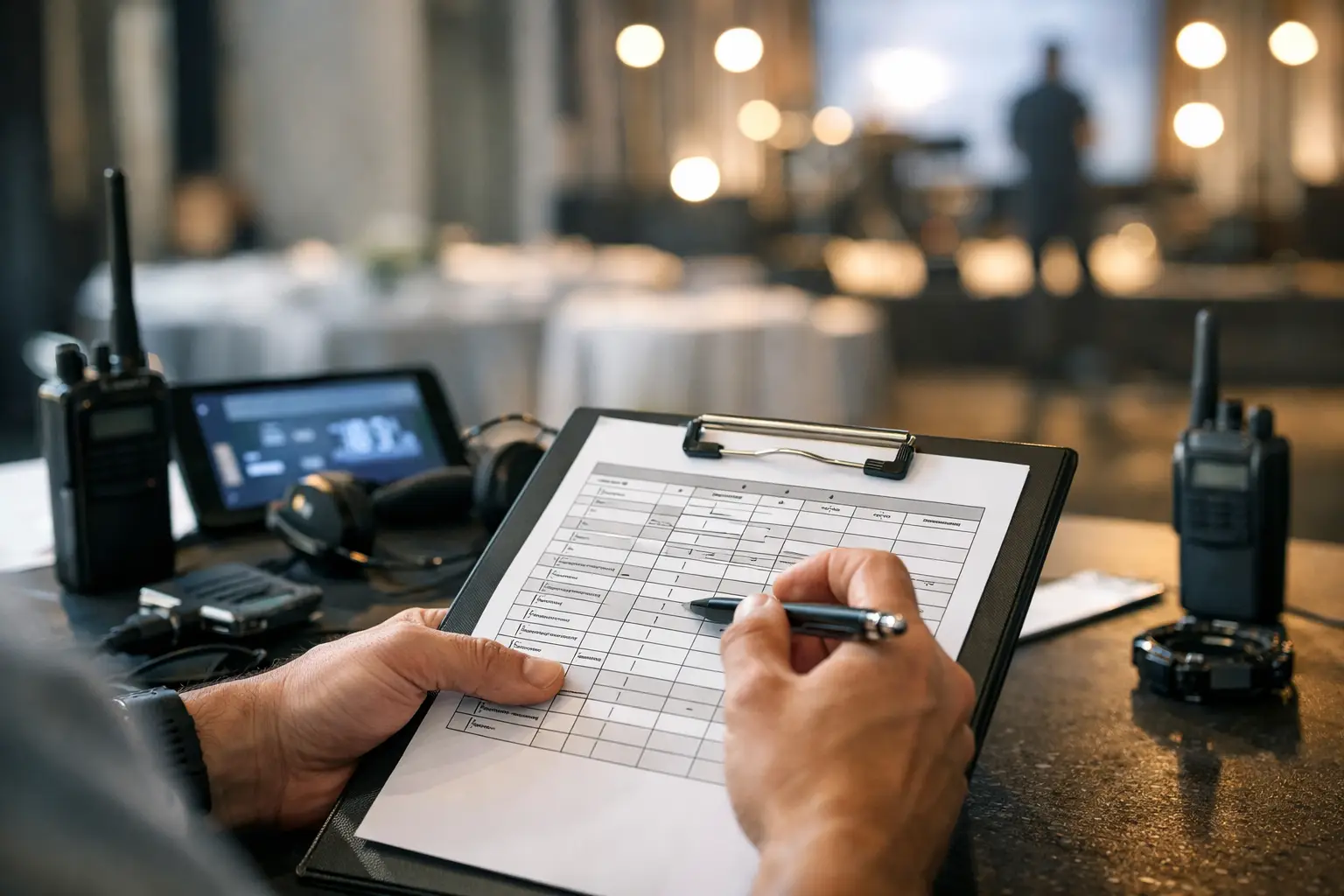
A production run sheet is the live timeline for an event. It sets out what is happening, when it is happening, who owns it and what needs to be in place before the next activity can proceed. It is not simply an event programme for guests, nor is it a supplier contact list. It is the working document that connects the event plan to the people delivering it.
A useful run sheet gives the crew enough detail to act without chasing answers all day. At the same time, it needs to be easy for a client, venue manager or event coordinator to read at a glance. If it takes ten minutes to find the next critical deadline, the document is not doing its job.
The best version is built around operational milestones rather than vague calendar entries. “AV setup” is not a milestone. “Line array flown and signed off”, “all lectern microphones tested” and “walk-in playlist live” are. Clear language makes ownership visible and exposes gaps before they become on-site problems.
Build the production run sheet from the site backwards
The first guest arrival is rarely the first critical time in the day. A properly planned event begins with access, site conditions and the sequence required to safely install infrastructure. Work backwards from the doors opening, then continue through the event until every item is packed down and the site is handed back.
For an outdoor Melbourne event, for example, bump-in may depend on vehicle access, ground protection, weather conditions and venue restrictions. A marquee cannot be installed over an area still occupied by catering vehicles. A stage cannot be dressed before overhead lighting is complete. Power distribution should not be finalised while major plant is still being moved across cable paths.
This is where a single production partner makes a real difference. When staging, power, AV, lighting, structures and crew are managed as separate jobs by separate suppliers, each team naturally protects its own schedule. A production-led run sheet protects the event schedule instead.
Start with fixed times and non-negotiables
Put immovable commitments into the run sheet first. These include venue access times, council or precinct restrictions, delivery windows, engineering inspections, sound curfews, guest doors, ceremony start times, broadcast crosses, headline acts and site hand-back deadlines.
Then identify the work that must happen before each fixed point. If doors open at 5.30 pm, the guest-facing space may need to be complete by 4.45 pm. That creates time for a full systems check, a lighting focus, cleaning, client walk-through and contingency. If an artist is due on stage at 8.30 pm, their changeover, backline placement, monitor check and stage clearance all need a place in the timeline.
Do not schedule every task right up to the deadline. Events need recovery time. A realistic run sheet allows for a late truck, a weather hold, a missing cable, a client request or a technician finding a fault during testing. Those buffers are not wasted time. They are what keeps a minor issue from reaching the audience.
Give every line a clear owner
A timing without an owner is only a hope. Each task in the run sheet should name the person or team accountable for progressing it, whether that is the event producer, site manager, staging crew, electrician, AV operator, caterer, venue representative or security lead.
For major milestones, include a confirmation point as well. For example, the staging supervisor confirms the deck is complete and safe for handover; the power technician confirms generators are running, distribution is tested and backup arrangements are ready; the AV operator confirms show audio is live. The event coordinator does not need to perform every task, but they need to know it has been completed.
Use real names where possible, especially for key operational roles. “Production” is not a person to call when gates are due to open in five minutes. “Jordan – production manager” gives the team a direct path to a decision.
The details that prevent production problems
A strong production run sheet does more than show times. It records the information people need when the pressure is on. Keep contact numbers, radio channels, site access points, parking instructions and escalation contacts close to the schedule, not buried in another attachment.
It should also identify critical dependencies. If the LED screen cannot be tested until power is live, say so. If a fireworks display requires the stage area to be cleared, make that instruction visible. If the venue requires a final noise check before the band starts, include the responsible person and the deadline.
For complex events, the following areas deserve their own timed actions:
- Site access, deliveries, vehicle movements and loading dock control
- Stage, marquee, fencing, seating and structural installation milestones
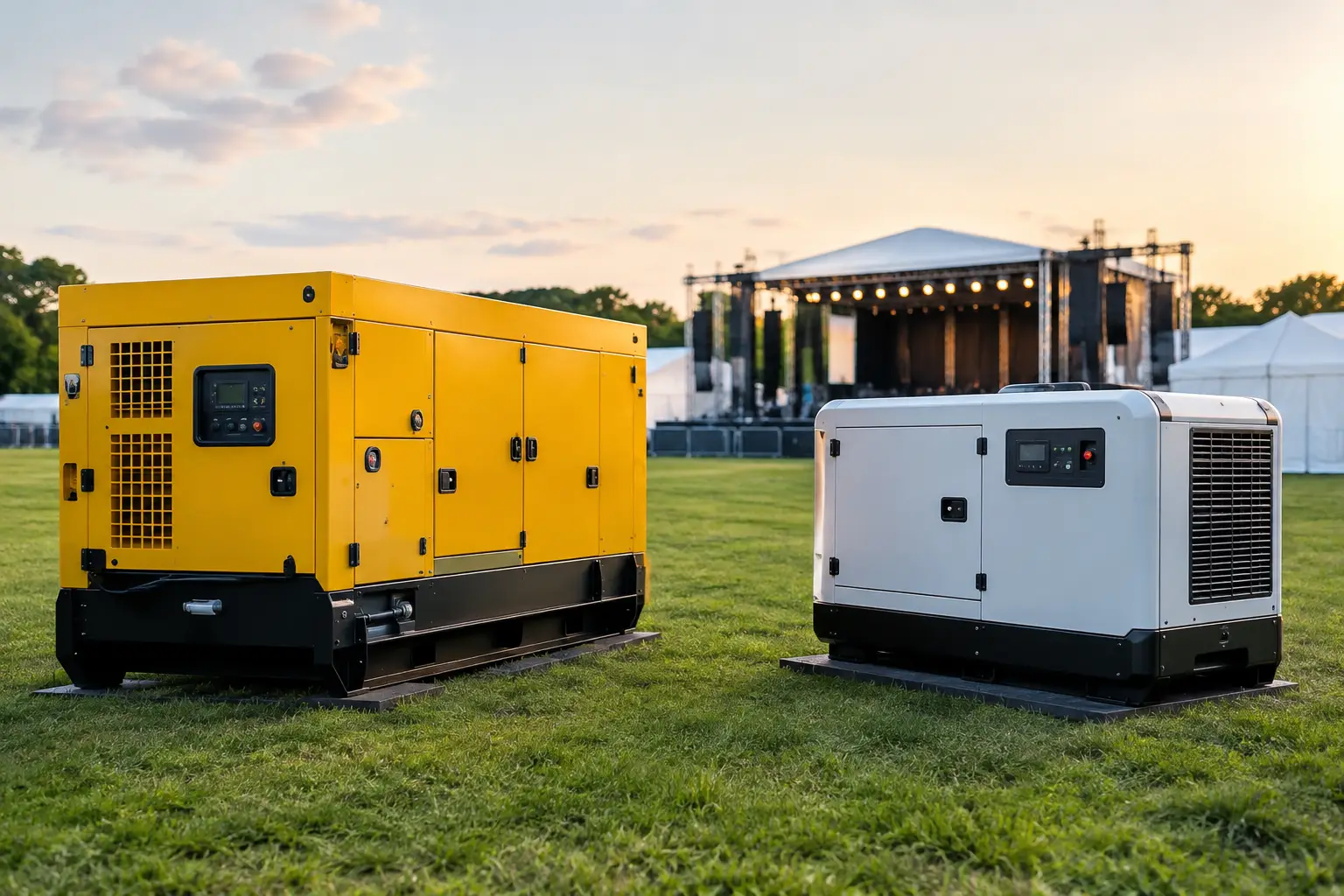
- Generator start-up, power distribution, electrical testing and fuel checks
- Audio, lighting, vision and communications testing
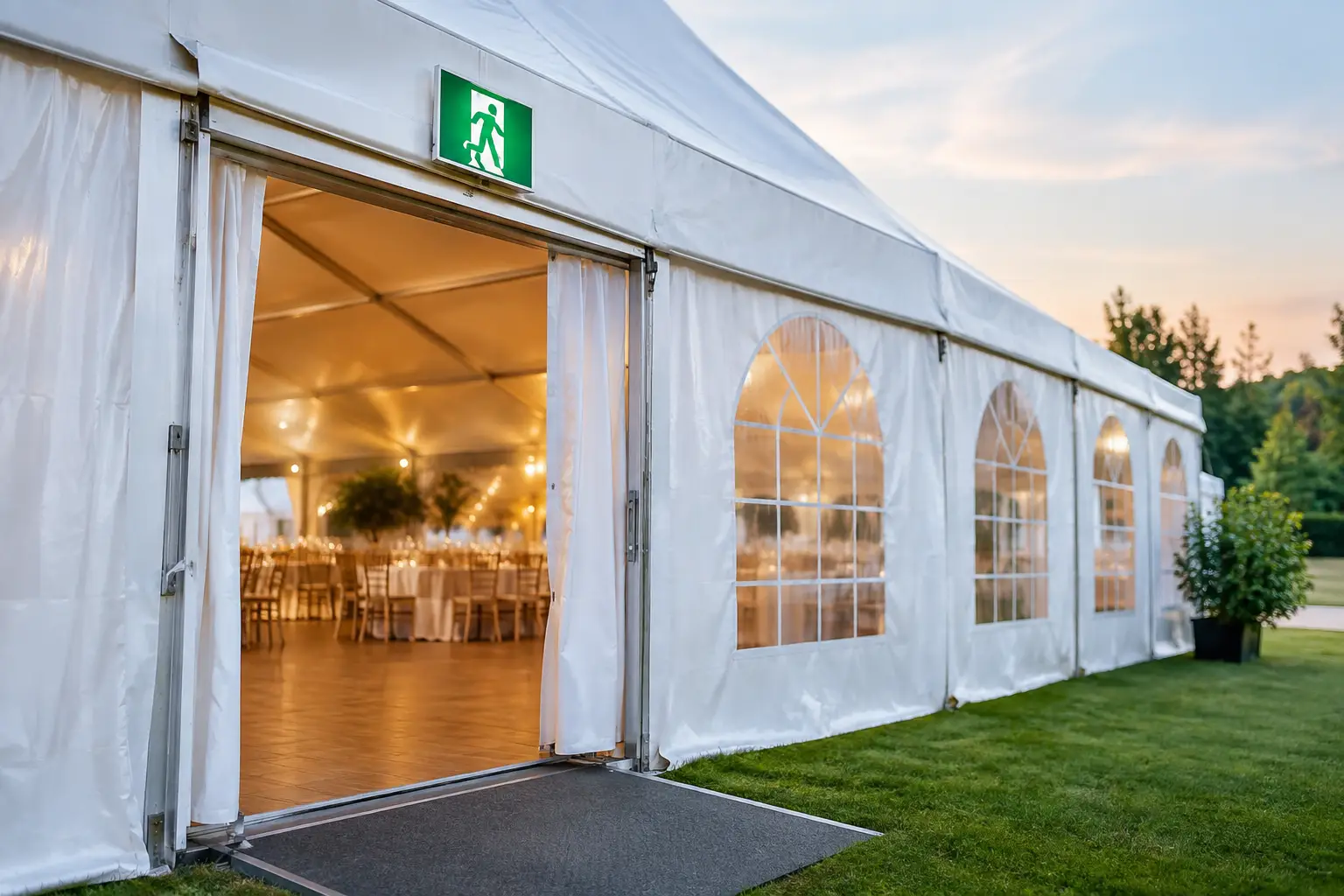
- Safety briefings, emergency access checks and weather monitoring
- Guest doors, show cues, changeovers, curfews and pack-down sequencing
Not every event needs this level of detail. A small private function may only need a concise timeline for supplier arrivals, ceremony cues, speeches and entertainment. A 5,000-person public event needs much deeper control, often supported by site plans, risk documentation, power calculations, traffic management and emergency procedures. The right level depends on the consequences of getting it wrong.
Separate the crew version from the client version
Clients need confidence and clarity. Crews need operational detail. Trying to force both audiences into one document can make the run sheet either overwhelming or incomplete.
A client-facing version can show the major event journey: supplier arrivals, ceremony or doors, formalities, entertainment, curfew and pack-down. It helps everyone understand what has been agreed and when decisions are required.
The production version should go further. It may include call times, truck movements, equipment handovers, cable routes, testing windows, radio checks, standby times and technical cues. It should also show who has authority to approve changes, particularly where safety, cost, access or the event schedule is affected.
There is no value in hiding operational detail from the client, but there is value in presenting it properly. The client should know that a generator backup check is happening. They do not necessarily need every circuit reference in their version of the day sheet.
Treat it as a live document, not a file sent once
The first run sheet is a planning tool. The final run sheet is an operational commitment. Between those points, details will move. An entertainer may change their set time, a venue may revise access, wet weather may force a layout change, or a supplier may need a different delivery slot.
Every update needs version control. Date the document, number the version and make sure the current copy is available to the people working the event. A run sheet printed two weeks ago and left in a clipboard can cause as much trouble as having no run sheet at all.
On event day, the production lead should actively call key milestones rather than assume they are happening. Check in before gates, before show start, before each major changeover and before any activity with safety implications. If the timeline changes, communicate the change quickly to the teams it affects. Silence creates conflicting assumptions.
Zero Three Event Hire approaches this as part of end-to-end event delivery: equipment, crews, technical operation and site coordination working to one practical plan. The point is not paperwork for its own sake. The point is knowing who is on site, what is live, what is next and who is responsible when the plan needs to move.
Use the run sheet to make better decisions under pressure
A run sheet will not stop rain, traffic or an artist arriving late. It gives the event team a calm reference point when those things happen. If a delay affects catering, doors, AV and security, the team can see the flow-on effects and decide what must change first.
Build it early, test it with the people doing the work and keep it current until the last truck leaves site. When every team is working from the same operational picture, guests only see the event they came for – from the first arrival to the last note dropping.